Battery care for scrubber dryers
Most scrubber dryer breakdowns we see come down to battery problems, and most battery problems come down to a handful of basic mistakes in daily charging and storage. Get the basics right and you’ll typically double the working life of your batteries, cut your running costs and avoid the unplanned downtime that comes when a machine refuses to start mid-shift.
This is what we tell our customers when they ask how to look after their batteries.
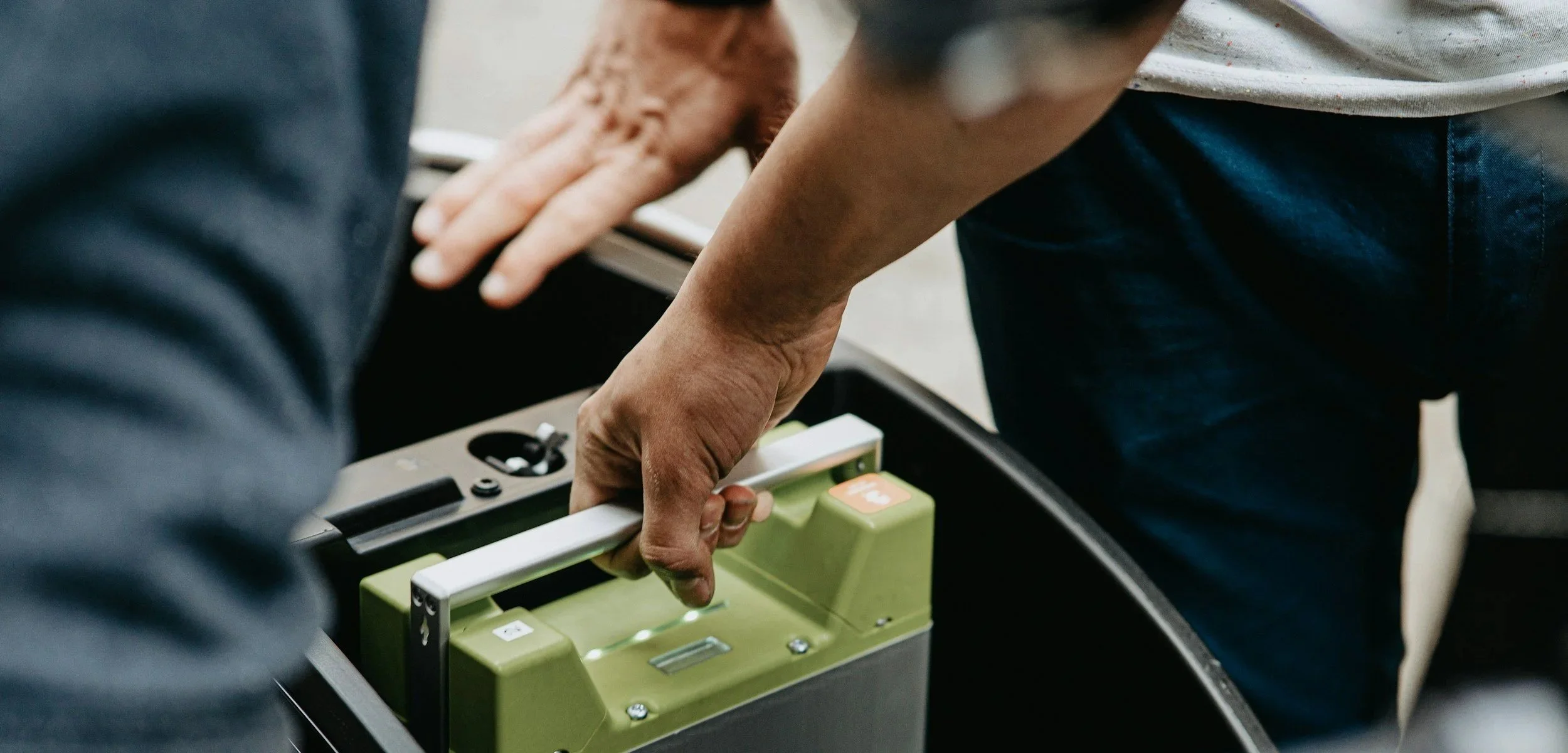
Know which battery type you have
The first thing to check is which type of battery your machine runs on. The three you will generally come across are:
Lead-acid (flooded)
The traditional workhorse. Affordable to replace, but they need topping up with distilled water and the terminals need cleaning. They have a shorter overall life than the alternatives and they’re more sensitive to incorrect charging.
AGM and gel
Sealed, maintenance-free and spill-proof. A good fit for busy operations where nobody has time to check water levels. They’re sensitive to overcharging, so the right charger matters.
Lithium-ion
Longest life, fastest charging, best performance. They’re the most expensive option upfront but typically work out cheaper over the full life of the machine because of the longer cycle count and lack of maintenance. They’re unforgiving of the wrong charger or incorrect handling, so it’s worth getting the setup right from day one.
Knowing what’s in the machine tells you what care it needs. The advice below changes depending on the chemistry, so don’t assume what worked on the last machine applies to this one.
Daily charging habits
Charge fully when the batteries are around 80% discharged - Batteries last longer when they’re regularly returned to a full charge after discharge. With lead-acid in particular, partial charging leads to sulphation, which permanently reduces the capacity of the battery over time.
Don’t top up between uses (unless it’s lithium) - Constant short charges shorten the total life of lead-acid and AGM batteries. Run the machine until the shift’s done, then put it on charge. Lithium-ion is more forgiving and can be topped up without harm.
Use the right charger - The charger that came with the machine is set up for the chemistry and capacity of those specific batteries. Using a generic charger, or the wrong one for the chemistry, will damage cells, shorten life and in some cases create a fire risk.
Don’t run the battery flat - Running a lead-acid battery below 20% strains it and causes permanent damage. Lithium-ion batteries usually have built-in management to stop you doing this, but the principle still applies: deep discharges shorten life.
Routine maintenance
Lead-acid only
Check water levels after charging, not before. Top up with distilled water only. If the plates are exposed because the level has dropped too far, the damage is usually permanent. Keep the terminals clean to prevent corrosion and maintain a good electrical connection. Make sure vent caps are seated properly to prevent acid leaks and allow controlled gas release during charging.
All battery types
Wipe the surface of the battery and the surrounding tray. Dust and grime can cause electrical shorts or contribute to overheating. Look over the case for cracks, bulges or signs of heat damage. Catching these early often means you can replace one battery rather than dealing with a failure that takes the whole pack down.
Storage
If a machine is going to sit unused for a while, charge the batteries fully, disconnect them, and store them somewhere cool and dry. Heat and damp accelerate self-discharge and shorten battery life. For longer storage periods, give the batteries a top-up charge every couple of months to keep them healthy.
Signs the battery is on its way out
The usual signs that batteries need replacing:
• Run times getting noticeably shorter
• Charging takes longer than it used to, or doesn’t reach full capacity
• The case looks bulged or is leaking
• The machine throws errors or shuts down mid-shift
• Voltage drops quickly under load
If you’re seeing any of these, it’s time to replace. Trying to push damaged batteries through one more month usually ends in a failure that takes the machine out of service and risks damaging the charger or onboard electronics as well.
Frequently asked questions
How long should a scrubber dryer battery last?
Dependent on usage profiles, Lead-acid batteries with reasonable care generally last around two to three years in regular use. AGM and gel typically last three to four years. Lithium-ion can last six years or more. All of these figures vary with use pattern and charging discipline.
Can I mix old and new batteries in the same pack?
No. The older batteries pull the newer ones down to their level. If one battery in a pack has failed, you typically need to replace the whole pack to get the expected life from the new ones.
Is it worth upgrading from lead-acid to lithium-ion?
Sometimes. The upfront cost is higher, but the longer life, faster charging and lack of maintenance often pay back over the life of the machine, especially in operations running multiple shifts. We can run the numbers on a specific machine if you’d like.
What’s the most common cause of premature battery failure?
Wrong charger, partial charging cycles, and storing the batteries at low charge over long periods. Three preventable problems that account for most of the failures we see.
Need help with your batteries?
If you’re not sure which type of battery your machine has, whether it’s worth upgrading, or whether your current pack is on its way out, give us a call on 01677 426699 or email info@cfmnortheast.co.uk. We service most major brands and we can advise on whether a battery replacement, a charger replacement or a full machine assessment is the right next step.