What is ATEX? A Complete Explanation of Explosive Atmosphere Directives
What does ATEX mean and why does it matter for UK businesses? This guide explains the ATEX directives, certification requirements, and how they protect workers in explosive atmospheres.
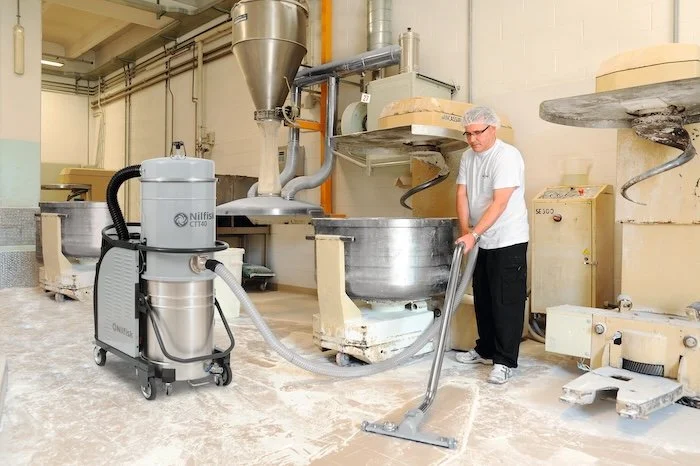
Why ATEX Matters for UK Businesses
Every year, UK workplaces experience dust and gas explosions that could have been prevented. From flour mills to pharmaceutical plants, from woodworking shops to chemical facilities, the risk of explosive atmospheres is more common than many business owners realise.
If your operations involve combustible dusts, flammable gases, or volatile vapours, you need to understand ATEX. It's not just about compliance—it's about protecting your people, your premises, and your business from catastrophic incidents.
This guide explains what ATEX means, where it came from, what it covers, and what it means for your organisation. Whether you're a Health & Safety Manager conducting a DSEAR risk assessment, a Facilities Manager selecting equipment, or an Operations Director reviewing compliance, this is your starting point for understanding explosive atmosphere regulations.
What Does ATEX Stand For?
ATEX comes from the French "Atmosphères Explosibles"—explosive atmospheres. It's the name given to two European Union directives that regulate work in environments where explosive gas, vapour, mist, or dust may be present.
The term ATEX actually refers to two separate but related directives:
ATEX 114 (Equipment Directive 2014/34/EU)
sets out the requirements for equipment and protective systems intended for use in potentially explosive atmospheres. This directive governs manufacturers—it specifies how equipment must be designed, tested, and certified before it can be sold for use in hazardous areas.
ATEX 137 (Workplace Directive 1999/92/EC)
establishes the minimum requirements for improving the health and safety of workers potentially at risk from explosive atmospheres. This directive governs employers—it specifies your obligations to assess risks, classify hazardous areas, and select appropriate equipment.
Together, these directives create a comprehensive framework: manufacturers must produce safe equipment, and employers must use it correctly in properly assessed environments.
ATEX in the UK Post-Brexit
Following Brexit, the ATEX directives have been incorporated into UK law. Equipment placed on the GB market now requires UKCA marking rather than CE marking, though the technical requirements remain essentially identical. Equipment with CE marking from approved EU notified bodies was accepted until January 2025, but new equipment for the UK market now requires UKCA certification from a UK-approved body.
For practical purposes, the principles, zone classifications, and equipment categories work the same way they always have. The changes are primarily administrative rather than technical.
Why ATEX Exists: The Need for Explosion Protection
ATEX regulations emerged from a long history of industrial disasters. Explosions in mines, grain silos, chemical plants, and manufacturing facilities claimed thousands of lives before standardised safety requirements existed.
Before EU-wide harmonisation, each country had its own approach to explosive atmosphere safety, creating confusion for manufacturers and inconsistent protection for workers. A piece of equipment approved in Germany might not meet French requirements, making cross-border trade difficult and safety standards variable.
The ATEX directives solved this by creating a single set of requirements across all member states. Equipment certified to ATEX standards can be used anywhere in the EU (and now, with UKCA marking, in the UK), while employers everywhere follow the same framework for assessing and controlling explosive atmosphere risks.
The result has been a significant reduction in workplace explosions and a clear, consistent approach to managing these serious risks.
What ATEX Covers: Scope and Applications
An explosive atmosphere can form whenever flammable or combustible materials mix with air in the right proportions. ATEX addresses two main categories:
Gases, vapours, and mists
These include natural gas, propane, petrol vapours, solvent fumes, paint sprays, and countless industrial chemicals. Even common substances like aerosol propellants can create explosive atmospheres under the right conditions.
Combustible dusts
Many materials that seem harmless in bulk form become explosive when dispersed as fine dust in air. This includes flour, sugar, wood dust, metal powders, pharmaceutical ingredients, plastic granules, and hundreds of other common industrial materials. [LINK: Complete Guide to Combustible Dusts]
Industries Commonly Affected by ATEX Requirements
ATEX regulations apply across a surprisingly wide range of sectors. If your business handles any potentially explosive materials, you likely have ATEX obligations. Common industries with are requirement for ATEX vacuums include:
• Food and beverage manufacturing (flour, sugar, starch, grain, milk powder)
• Pharmaceutical production (active ingredients, excipients, coating materials)
• Woodworking and furniture manufacturing (sawdust, MDF dust, lacquer fumes)
• Chemical processing and storage
• Oil and gas operations
• Metal fabrication and processing (aluminium, magnesium, titanium dusts)
• Printing and packaging
• Waste and recycling operations
• Agriculture and grain handling
ATEX vs DSEAR: Understanding the Relationship
If you work in UK health and safety, you've probably encountered DSEAR—the Dangerous Substances and Explosive Atmospheres Regulations 2002. Understanding how DSEAR and ATEX relate to each other is essential.
DSEAR is the UK's implementation of the ATEX 137 Workplace Directive. It translates the European requirements into British law and sets out what UK employers must do to protect workers from explosive atmosphere risks.
In simple terms:
• ATEX is the European framework (now incorporated into UK law)
• DSEAR is your legal obligation as a UK employer
• ATEX-certified equipment is what you need to meet your DSEAR requirements
When someone asks about ATEX compliance in a UK context, they're usually asking about meeting their DSEAR obligations using ATEX-certified equipment. The terms are often used interchangeably in practice, though technically DSEAR is the law and ATEX is the standard.
You can find out more with our DSEAR Compliance Guide
Key ATEX Concepts You Need to Know
ATEX introduces several technical concepts that determine which equipment you need and where you can use it. Here's a brief overview of the most important ones:
Zone Classification
Hazardous areas are classified into zones based on how likely an explosive atmosphere is to occur and for how long. For gases, these are Zones 0, 1, and 2. For dusts, they are Zones 20, 21, and 22. The lower the number, the more frequently an explosive atmosphere is present, and the higher the equipment protection requirements. [LINK: ATEX Zone Classifications Explained]
Equipment Categories
ATEX equipment is classified into categories (1, 2, or 3) that correspond to different zone requirements. Category 1 equipment provides the highest level of protection and can be used in any zone. Category 3 equipment is suitable only for Zone 2 or 22, where explosive atmospheres are unlikely to occur.
Equipment Groups
Equipment is also classified by the type of explosive atmosphere it's designed for. Group I is for mining (firedamp), while Group II covers surface industries with gases and Group III covers dusts. Within these groups, further subdivisions address different gas and dust types.
ATEX Certification and Marking
All ATEX equipment carries a standardised marking that tells you exactly where it can be used. This includes the Ex symbol, equipment group, category, gas/dust classification, and temperature rating. Understanding these markings is essential for selecting the right equipment.
See our guide on Decoding ATEX Markings
Next Steps: Ensuring Your Business is Compliant
Understanding ATEX is the first step. Taking action is what actually protects your workers and your business. Here's how to move forward:
Conduct a DSEAR risk assessment. Identify all dangerous substances in your workplace, assess the likelihood of explosive atmospheres forming, and evaluate potential ignition sources. This assessment must be documented and reviewed regularly.
See our guide: DSEAR Compliance Guide
Classify your hazardous areas. Based on your risk assessment, determine which zones apply to different areas of your workplace. This classification drives all your equipment decisions.
See our guide: ATEX Zone Classifications Explained
Audit your existing equipment. Check whether the equipment currently used in hazardous areas is appropriately rated for the zone classification. Pay particular attention to cleaning equipment—standard industrial vacuums can be a significant ignition source in explosive atmospheres.
See our guide: ATEX vs Standard Industrial Vacuums
Select compliant equipment. Where gaps exist, specify and procure equipment that meets the requirements for your zone classifications
See our guide: ATEX Vacuum Buying Guide
Implement controls and training. Equipment alone isn't enough. Establish safe working procedures, maintain equipment properly, and ensure workers understand the risks and controls.
Expert ATEX Equipment Advice
CFM North East has over 25 years of experience supplying ATEX-certified industrial cleaning equipment to businesses across the UK. As an approved Nilfisk supplier, we offer the full range of ATEX industrial vacuums suitable for Zone 1/21 and Zone 2/22 applications.
Whether you need help understanding your equipment requirements, selecting the right vacuum for your application, or reviewing your current ATEX compliance, we're here to help.