Spring Cleaning Your Factory: The Industrial Equipment Checklist
Spring is the practical point in the year to give an industrial site a proper deep clean. After months of winter grit, damp, and heavy production schedules, a thorough clean does more than tidy the place up. It reduces the risk of costly breakdowns, improves day-to-day efficiency, and helps keep your team safe and compliant.
The job is far more manageable when you work through it area by area, with the right machine for each task. Below is a practical checklist for manufacturing sites, warehouses, and industrial facilities across Yorkshire and the North East, along with the equipment that makes each job quicker and safer.
High-level and structural cleaning:
Start at the top. Dust that builds up on rafters, beams, pipework, and light fittings is easy to ignore, but it is both a fire risk and a drag on air quality, so high-level cleaning belongs at the front of any spring clean.
Rafters, beams, and pipework: Remove accumulated dust, cobwebs, and debris from high-level structures. High-reach industrial vacuum systems let you do this from ground level, which is safer and faster than working off access equipment for every span.
Lighting fixtures: Clean diffusers and casings. Dust on fittings noticeably reduces light output, which affects both safety and productivity on the floor below.
Windows and skylights: Wash off winter grime to bring back natural daylight and cut lighting costs.
Safety note: where high-level work does require access at height, use appropriate MEWPs such as scissor lifts or cherry pickers, operated by trained, IPAF-certified personnel.
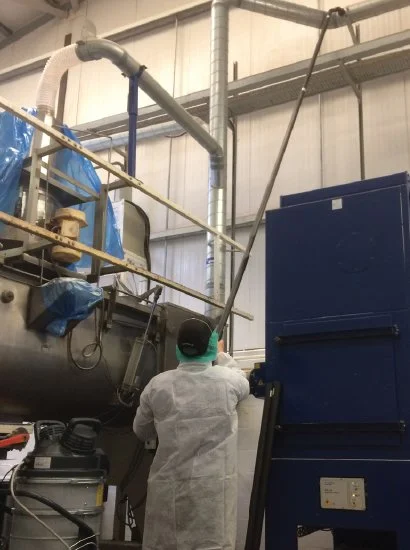
ATEX Vacuum with high reach accessories kit.
2. Floor restoration and degreasing:
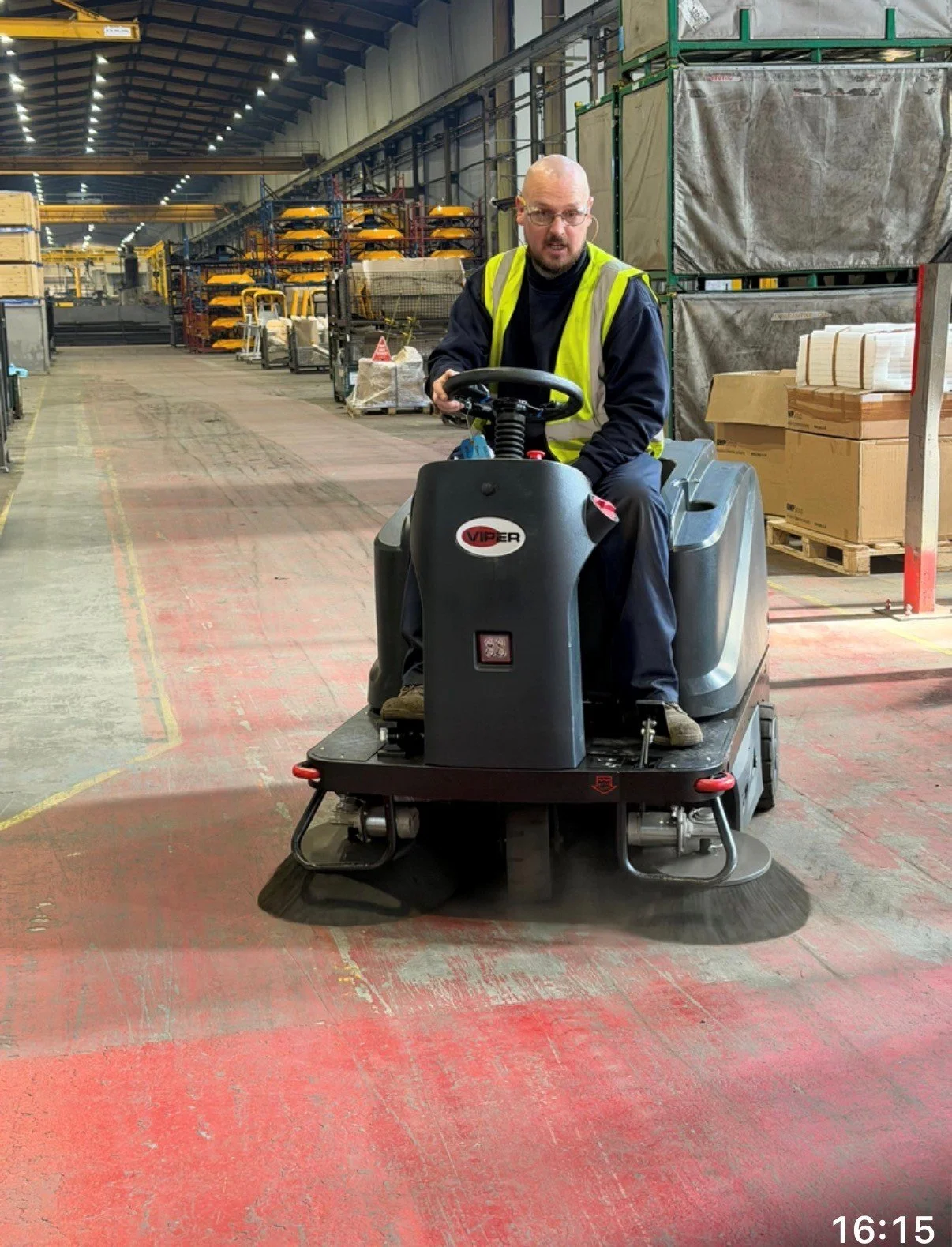
Factory floors take the heaviest wear of any surface on site, so spring is the time to go past the daily sweep and restore them properly. Forklift traffic, machinery, and chemical spills all leave their mark over winter.
Heavy-duty degreasing: Apply industrial degreasers to high-traffic zones and machining areas to lift embedded oil and slick residue before scrubbing.
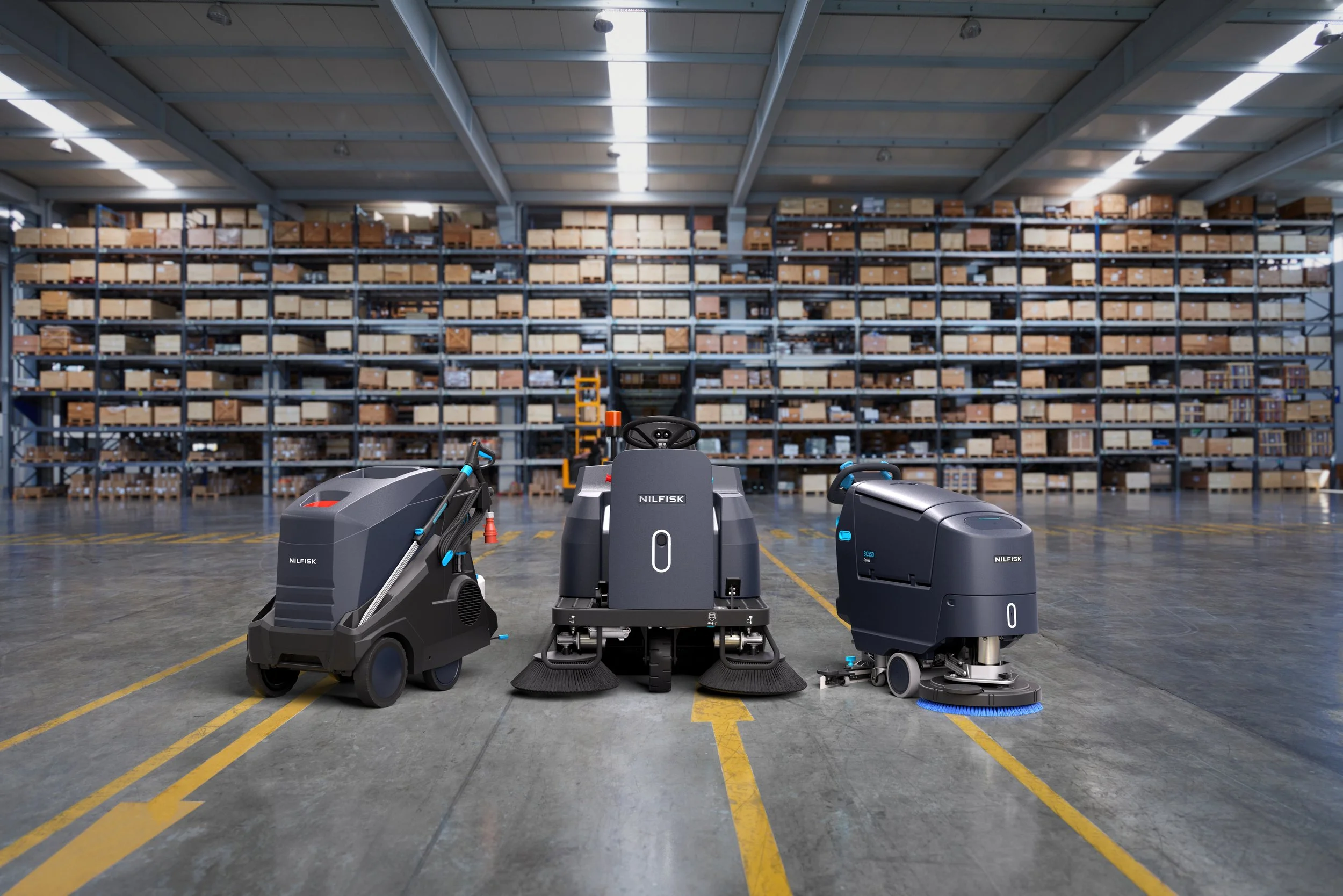
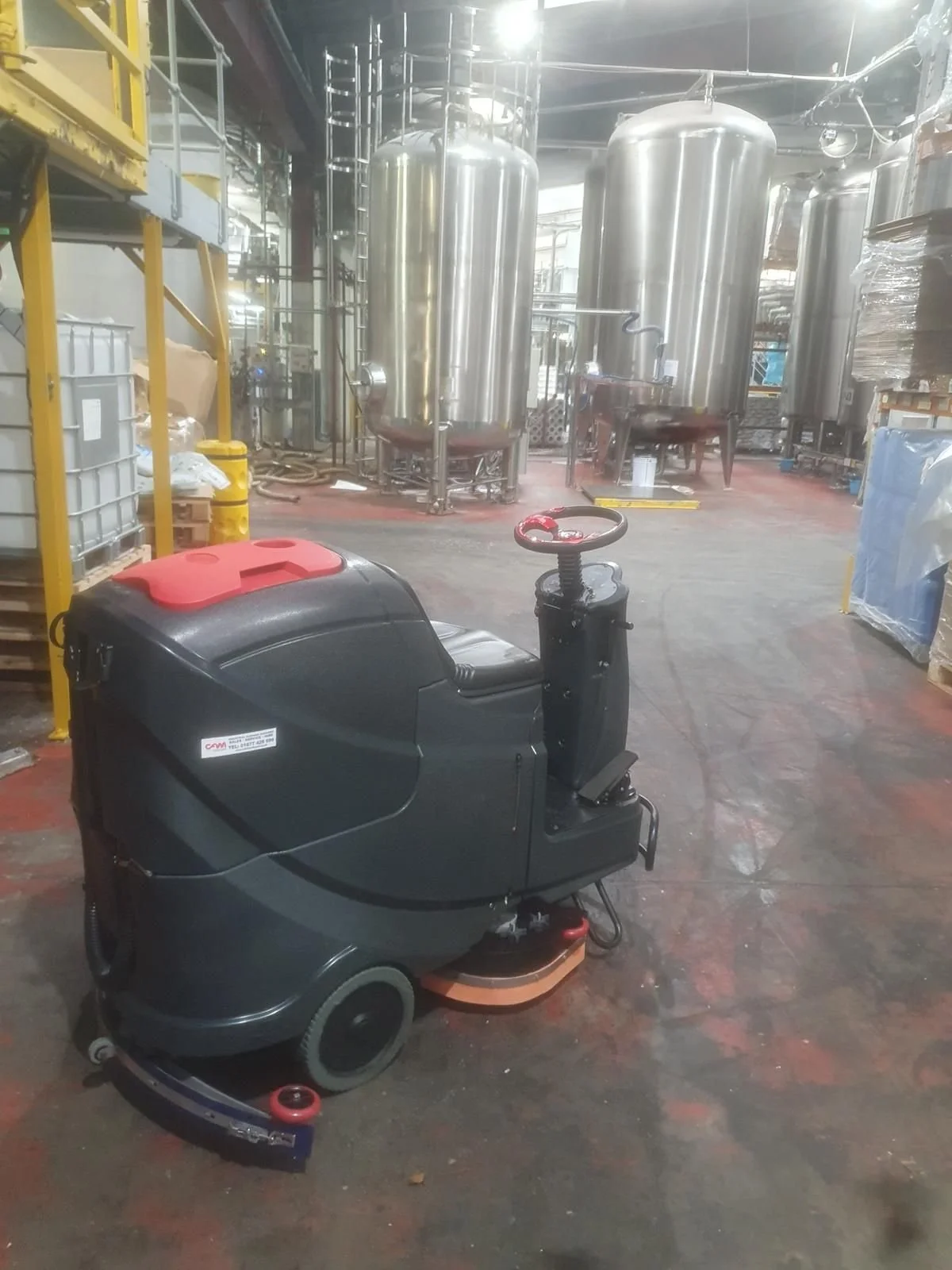
Scrubber-drying: Walk-behind and ride-on scrubber dryers wash, scrub, and dry the floor in a single pass, which lifts ingrained dirt and removes the slip hazard left by mopping. For a one-off deep clean over a larger area, hiring a ride-on machine for the week is often more cost-effective than stretching a smaller walk-behind across the whole site.
Line marking: Inspect and repaint pedestrian walkways, forklift lanes, and exclusion zones. Clear floor markings are central to HSE compliance.
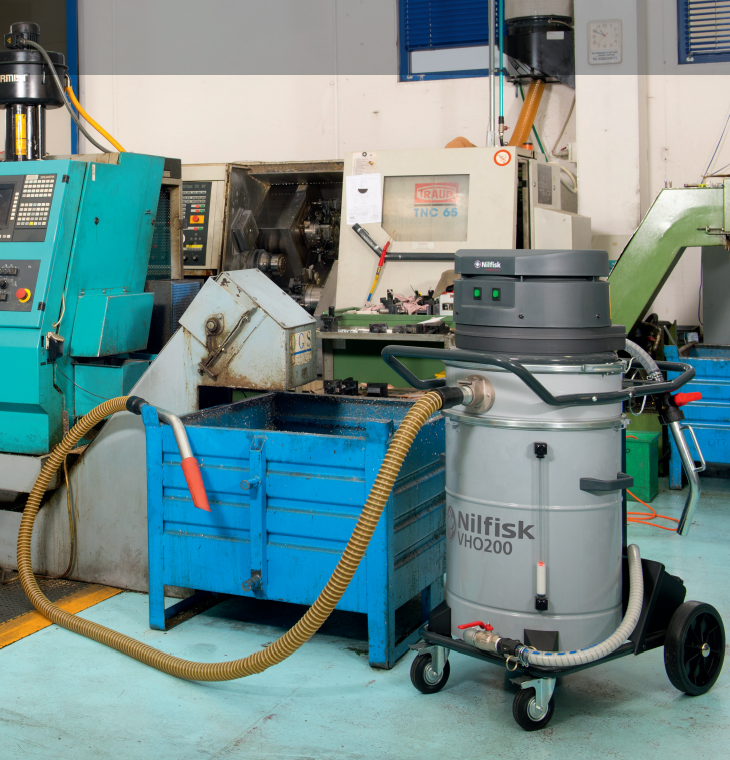
3. Machinery and production line deep clean:
Daily wipe-downs keep the surface clean, but the grime that collects inside machinery is what causes overheating, friction, and unplanned downtime, so a deeper clean is worth scheduling in.
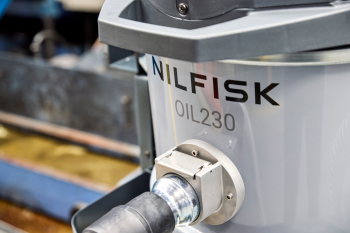
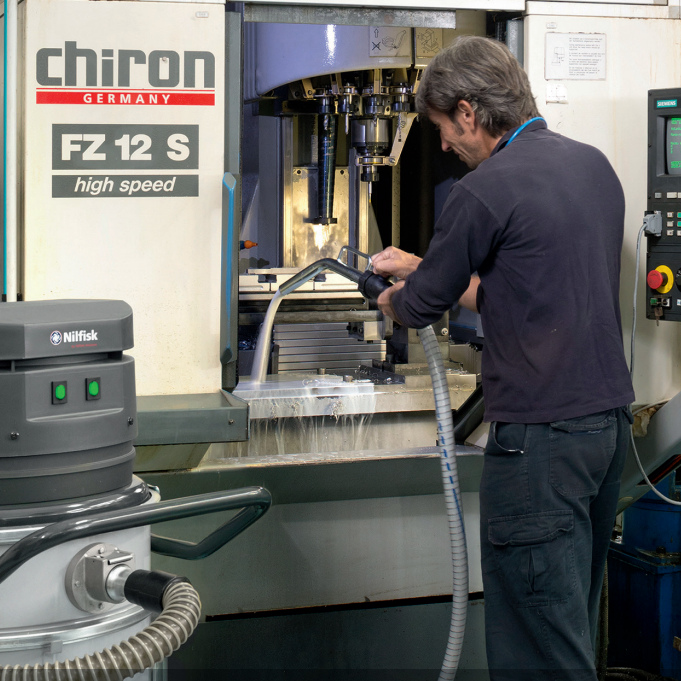
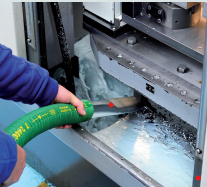
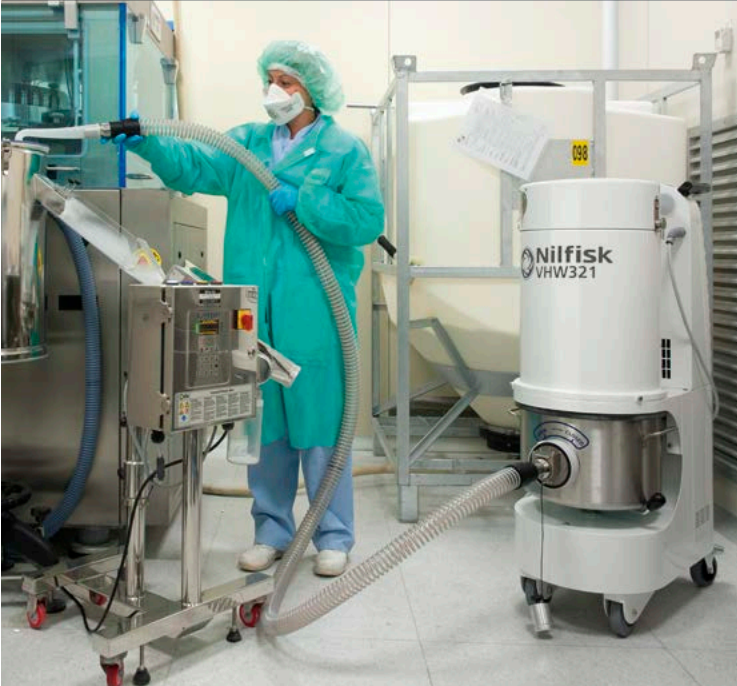
Debris and swarf removal: Isolate machinery safely, then clear accumulated swarf, dust, and offcuts from internal components. Where that swarf or dust is combustible, such as fine metal particles from machining, an ATEX-certified vacuum is required rather than a standard industrial model.
Ventilation and cooling fans: Clean the fans and vents on CNC machines, control panels, and motors so they run cool as the weather warms up.
External casings: Wipe down guards and control interfaces with non-corrosive technical cleaners.
If you are uncertain whether your dust or swarf falls within ATEX scope, it is worth checking before work starts.
CFM North East can advise on the right specification. See our full guide for oil and swarf Industrial Vacuums
4. External grounds and drainage:
The outside of the building matters too, both for the impression it gives visiting customers and for preventing weather damage across the year.
Gutter clearing: Remove winter leaves, moss, and debris from gutters and downpipes so they do not back up during spring downpours.
Pressure washing: Clean loading bays, walkways, and entrances to shift moss and algae before they become a slip hazard. Hot-water pressure washers cut through grease and oily residue far better than cold-water units, which matters on loading bays and around plant.
Waste management zones: Deep clean skips, bin stores, and external recycling areas to deter pests and control odour.
See our full collection of gutter cleaning equipment and pressure washers.
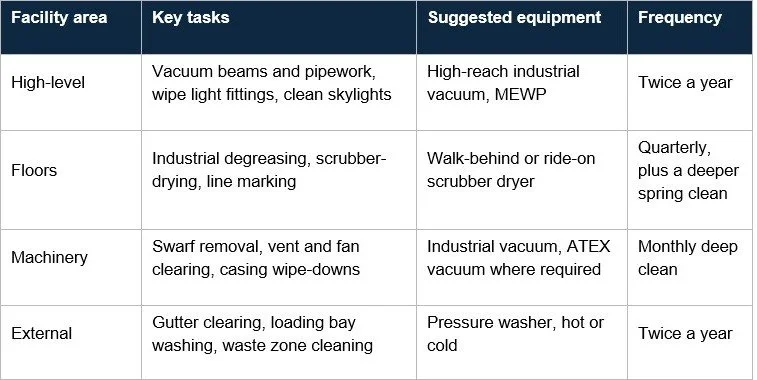
The spring cleaning checklist at a glance:
Use the table below as a quick reference for what to clean, what to use, and how often to schedule each task.
For more in depth information take a look at our Equipment Guides & Blog articles
Get your factory ready with the right equipment:
A thorough factory spring clean is a real undertaking, and the difference between hard graft and an efficient job is usually the equipment. The right scrubber dryer, vacuum, or pressure washer turns a multi-day slog into a manageable schedule.
CFM North East supplies, hires, leases, and services the full range of industrial cleaning machines. As an approved Nilfisk supplier with more than 25 years in the trade, the team can match the right machine to each job on your list. Whether you want to buy a scrubber dryer outright, hire a ride-on for a one-off deep clean, or specify an ATEX vacuum for combustible dust, the advice comes first and the machine follows.
If you are planning a spring clean and are not sure what you need, contact CFM North East to talk it through. The team can recommend the right equipment, arrange hire, and keep your existing machines serviced and ready for the busy months ahead. Contact us today to find out more