
Wet and Dry Vacuum Cleaners
At CFM North East we supply 28 commercial and industrial wet and dry vacuum cleaners, covering everything from portable janitorial machines to heavy duty three phase units. The range includes 240v and 110v single phase models for site and facility work, and three phase machines built for continuous shift duty, with prices starting at £180.
⚙️ Expertly Refurbished
📝 Machine Warranty Cover
⚡Battery Warranty Cover
✅ Ready to Use
🛡️ Risk-Free Purchase
💎 Trusted Brands
🏷️ Flexible Payment Options
⚙️ Expertly Refurbished 📝 Machine Warranty Cover ⚡Battery Warranty Cover ✅ Ready to Use 🛡️ Risk-Free Purchase 💎 Trusted Brands 🏷️ Flexible Payment Options
Need expert advice?
Call 01677 426699 or click here to contact us
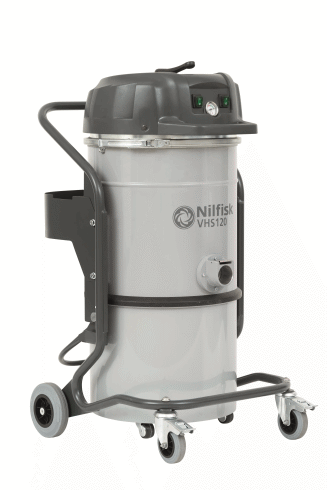
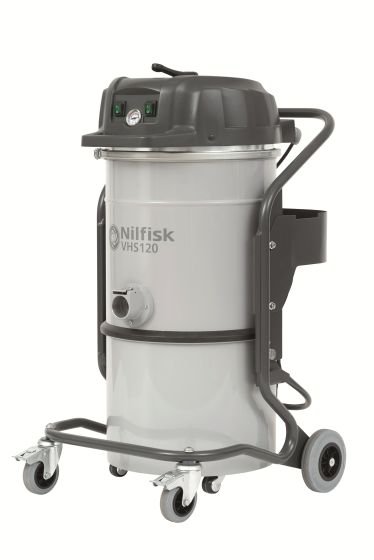
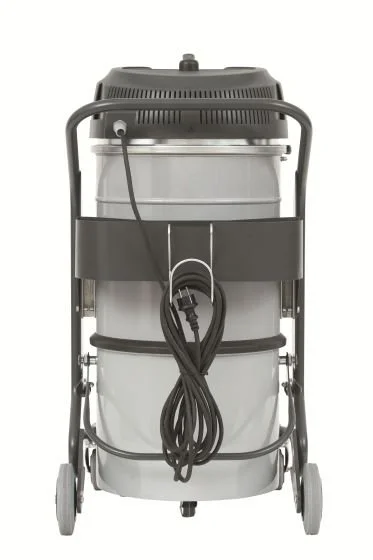
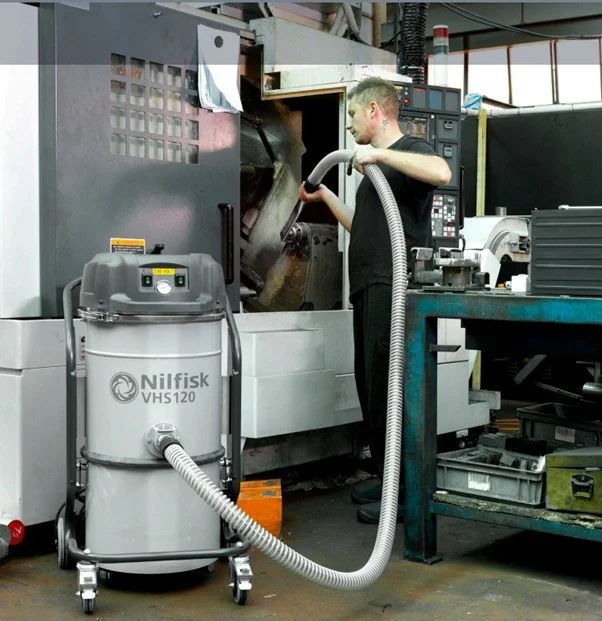
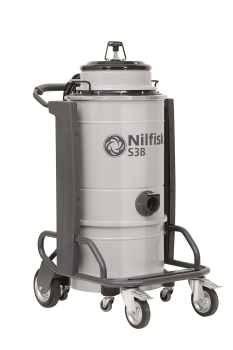
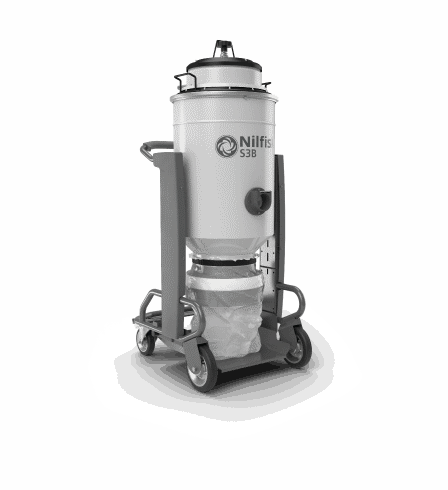
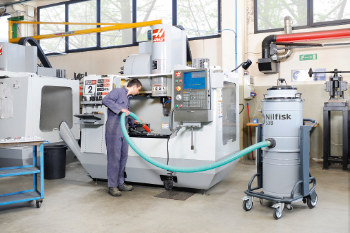
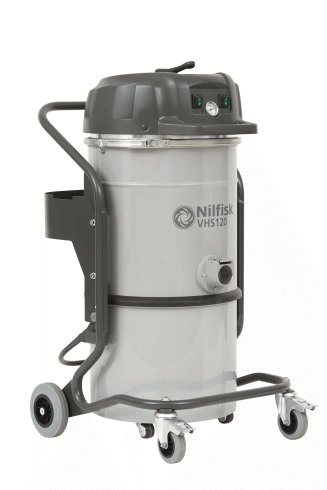
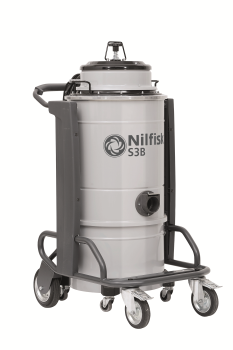
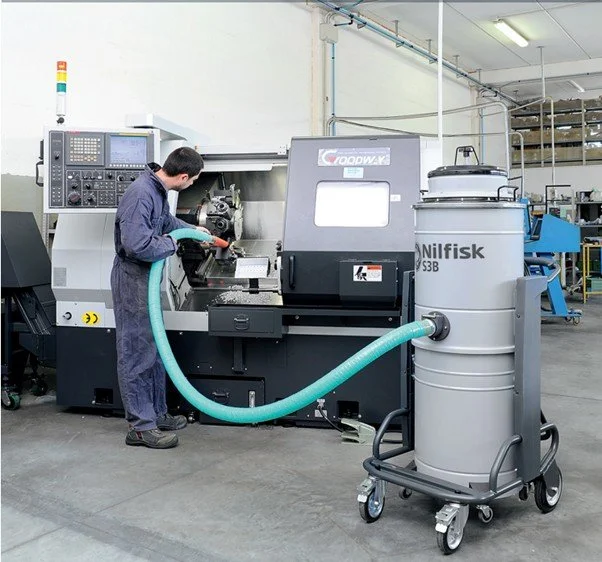
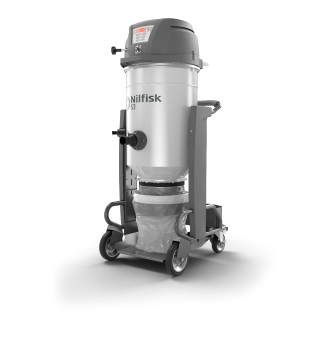
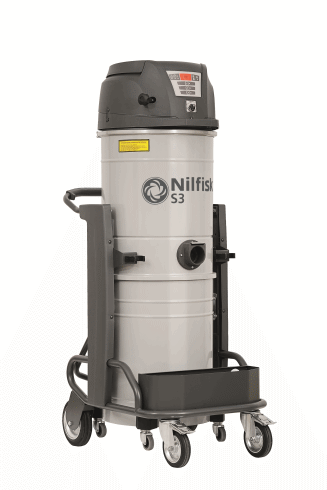
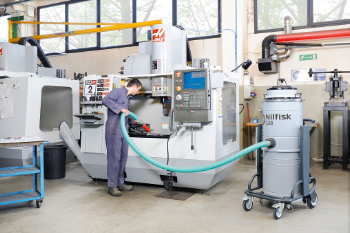
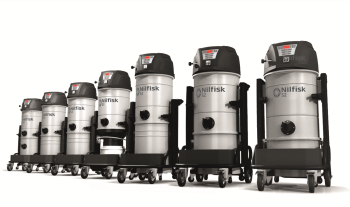
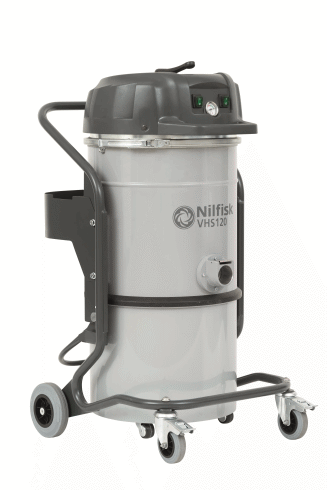
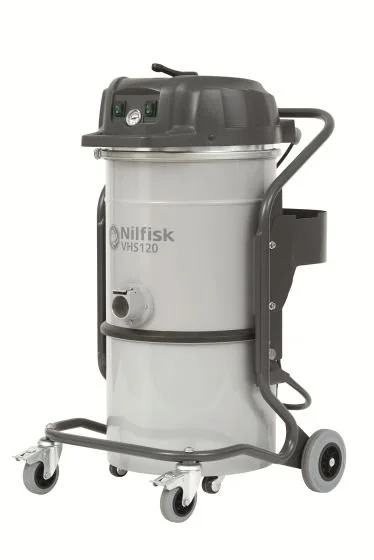
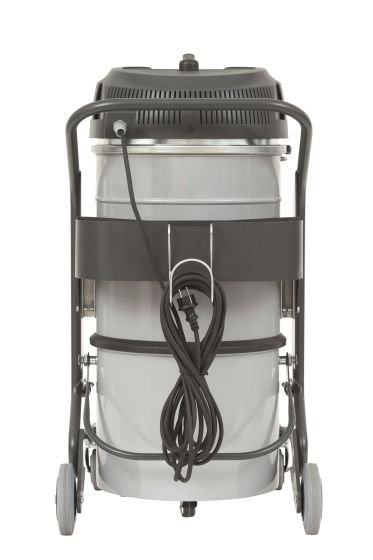
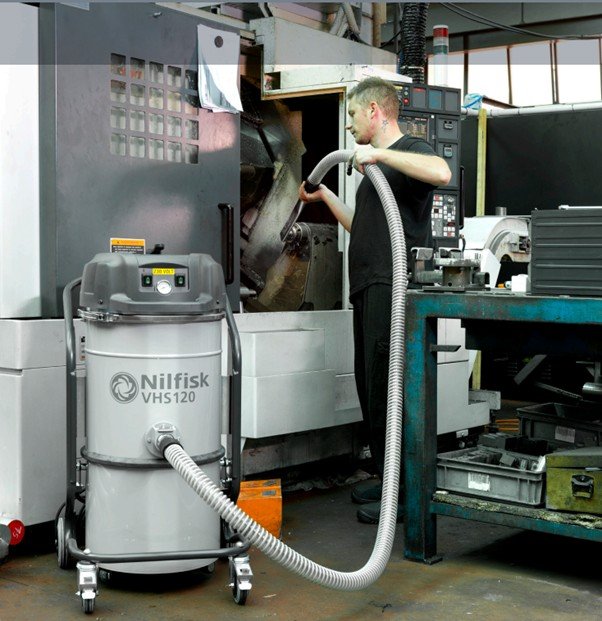
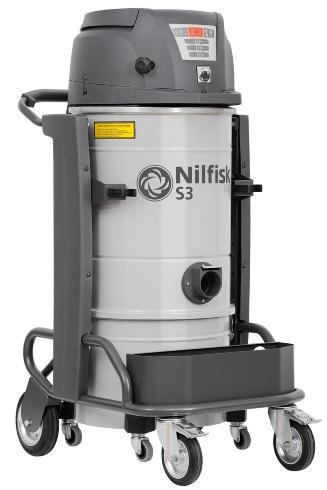
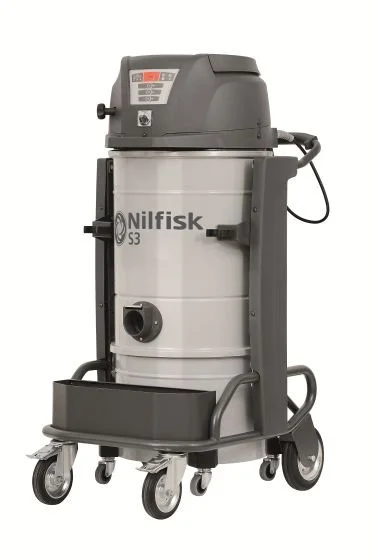
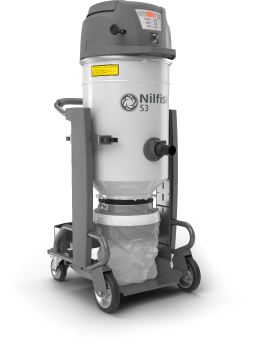
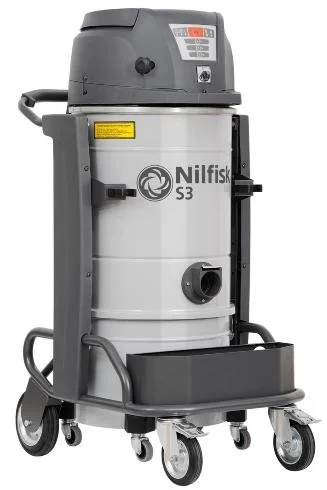
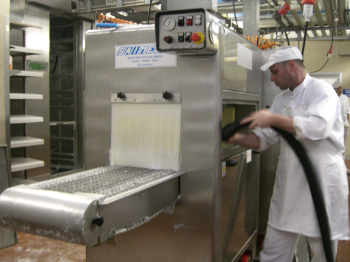
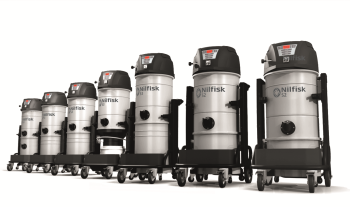
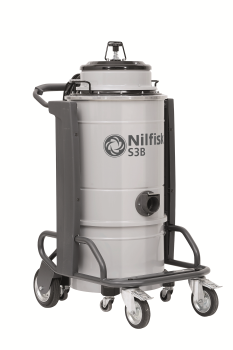
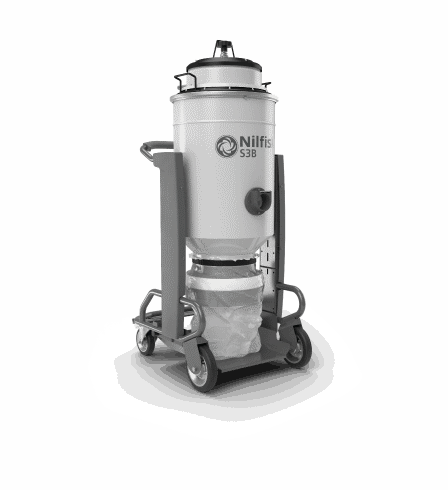
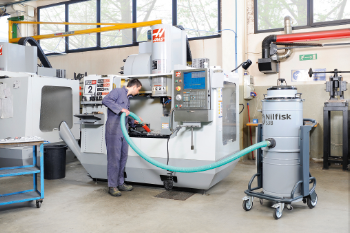
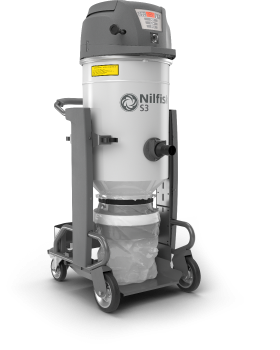
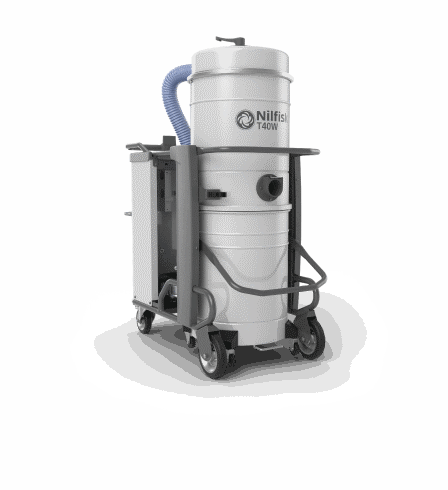
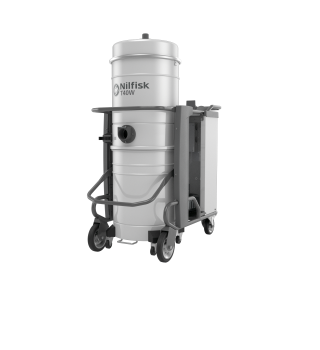
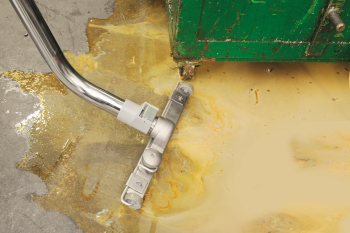
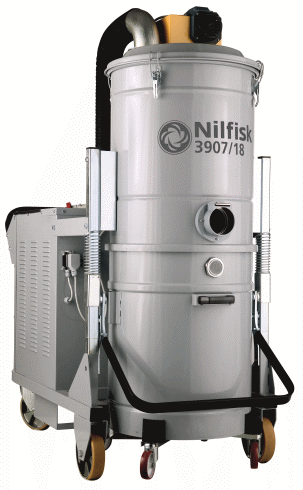
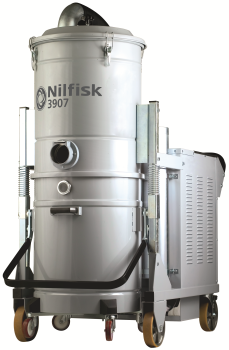
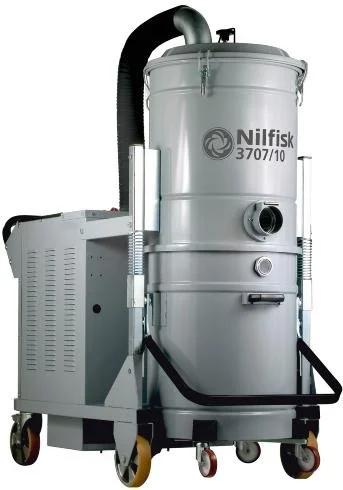
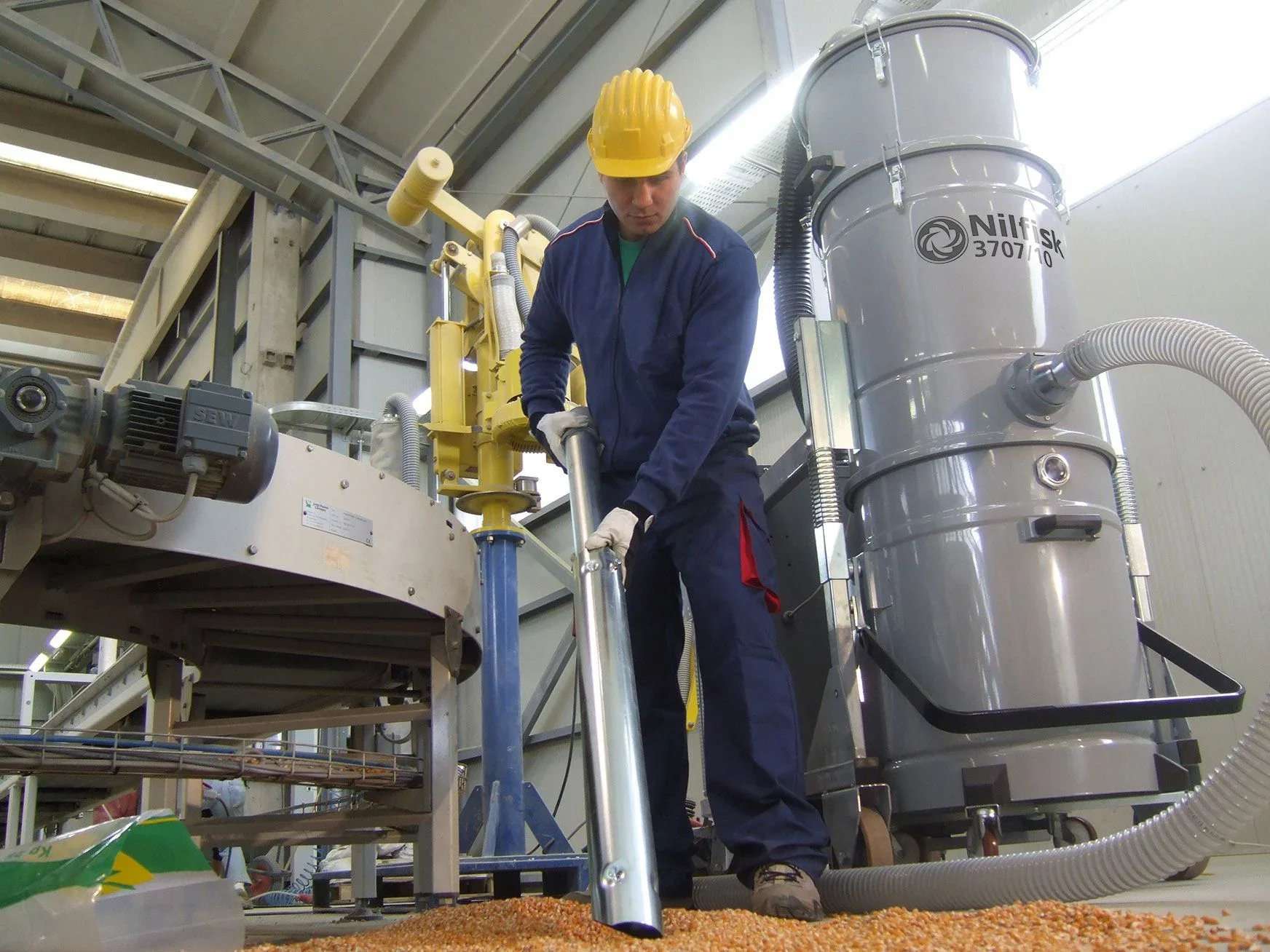
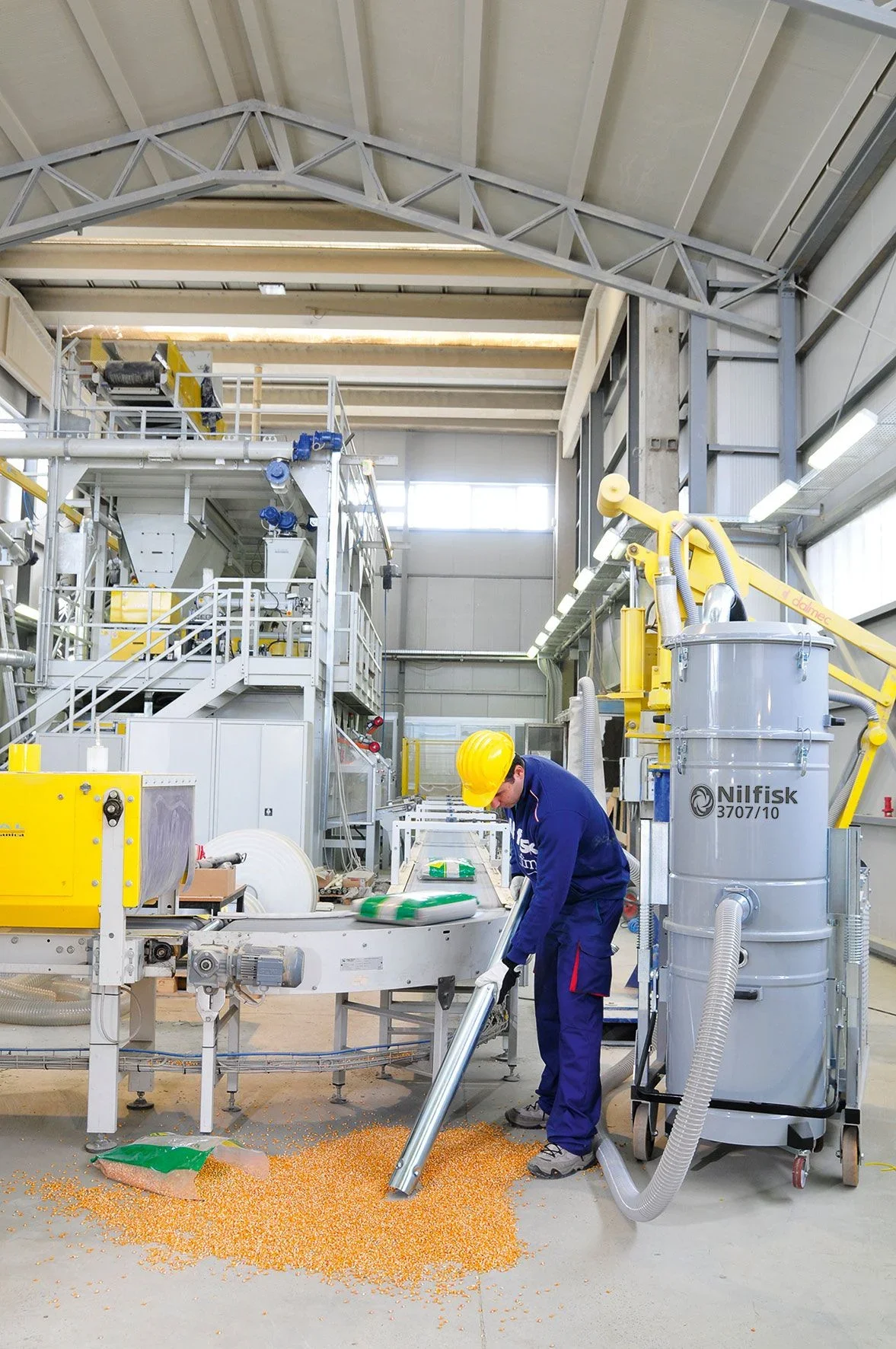
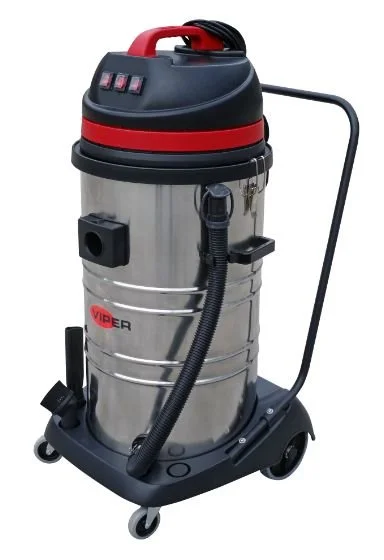
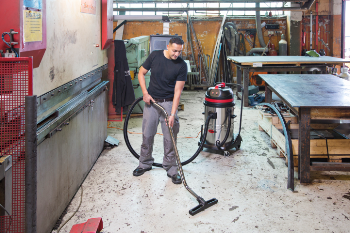
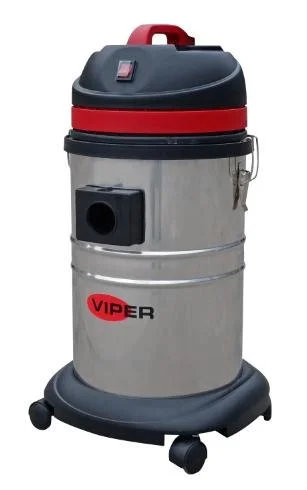
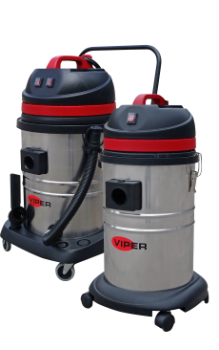
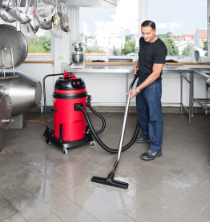
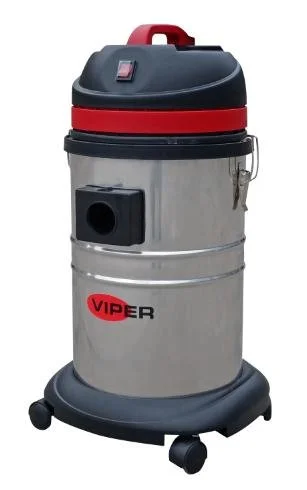
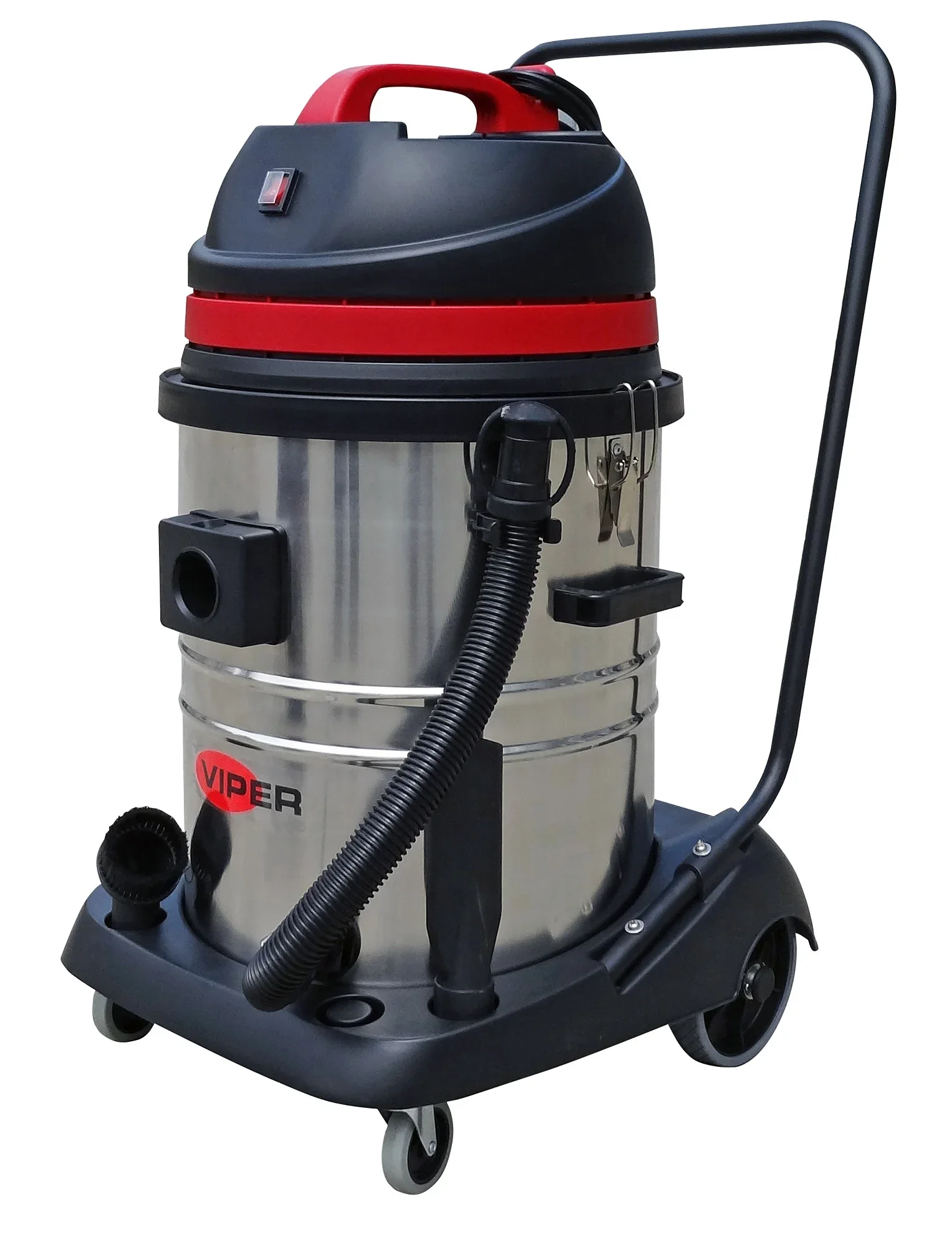
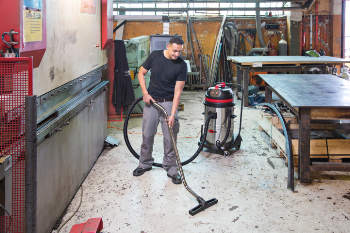
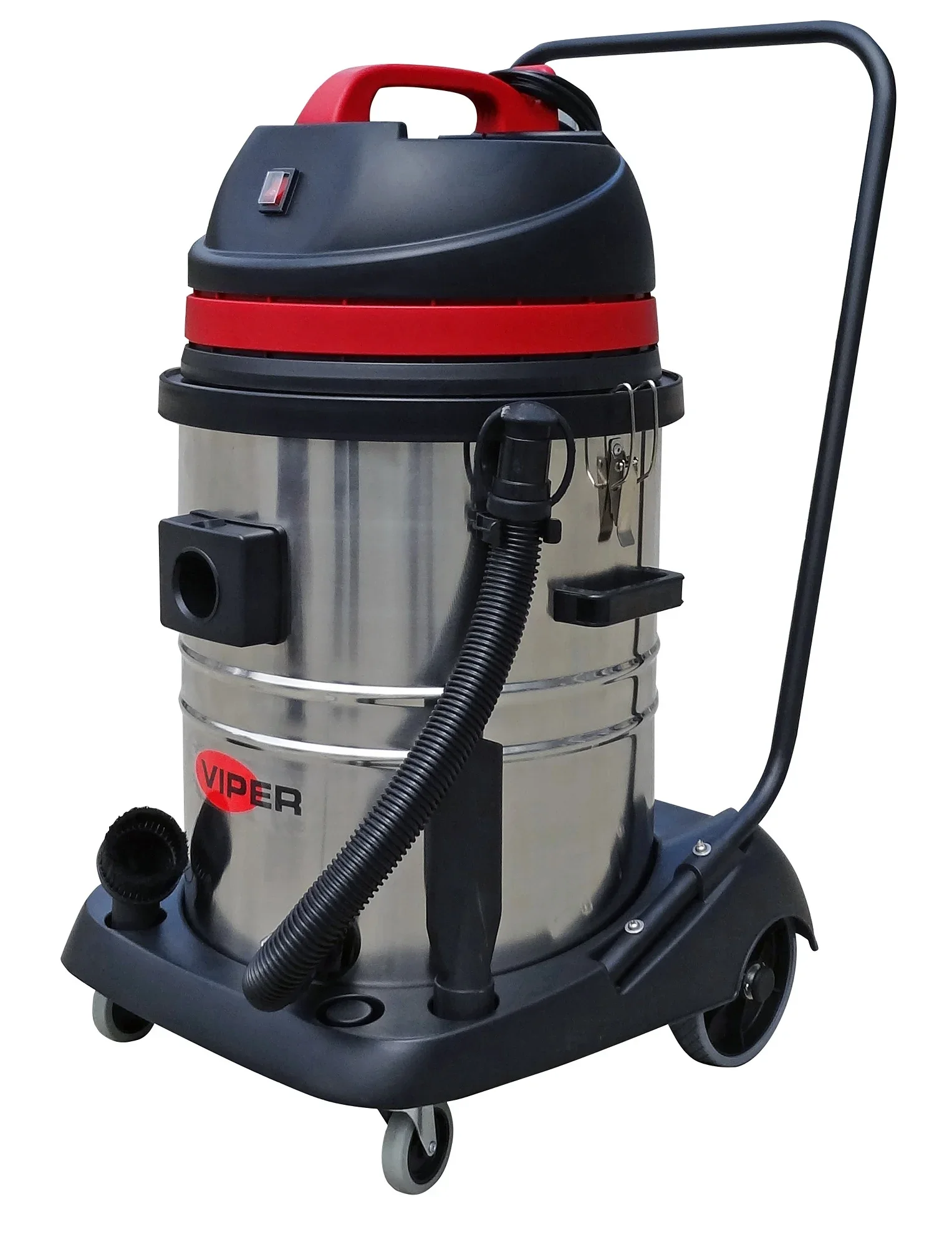
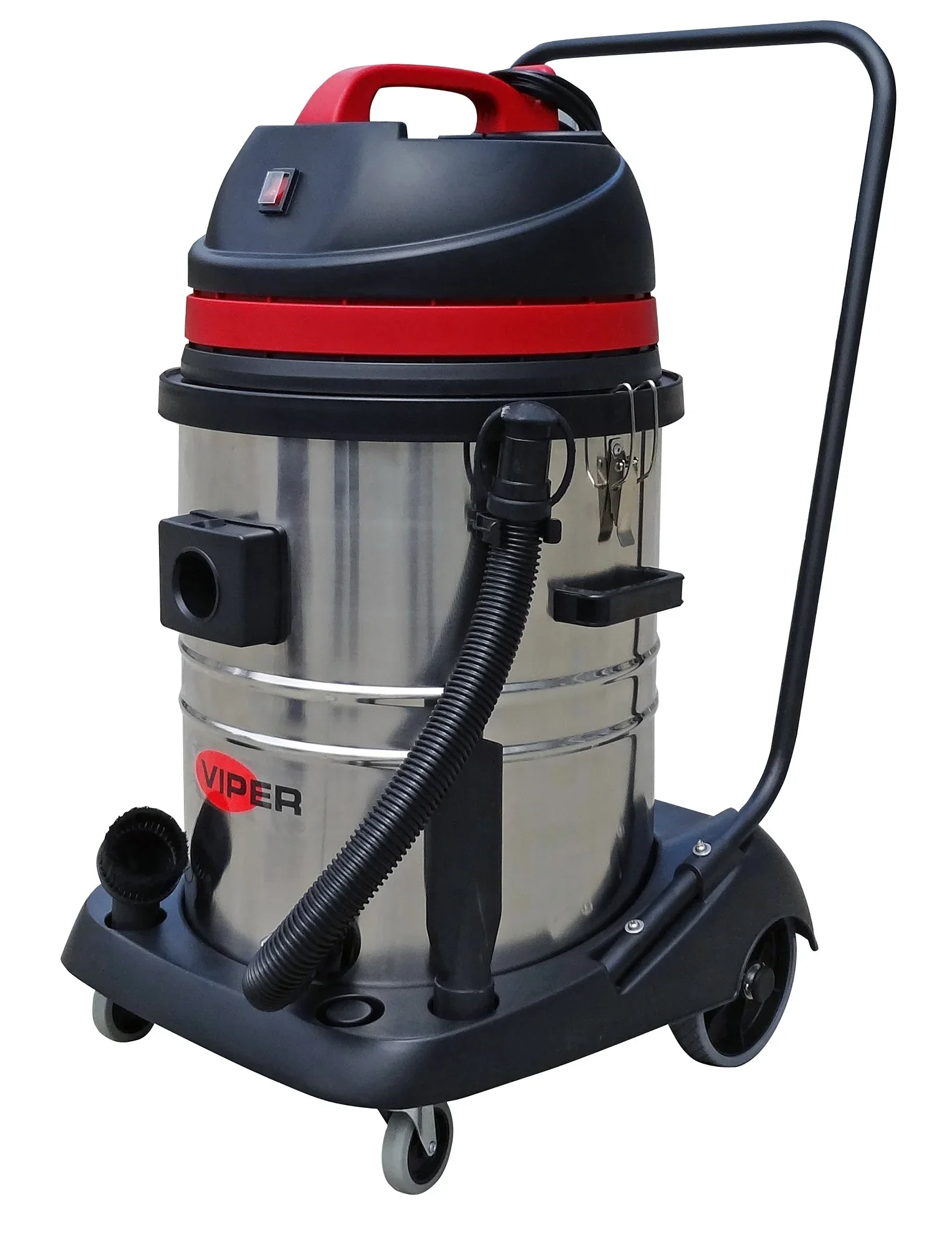
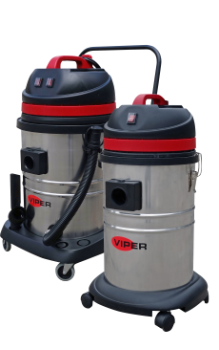
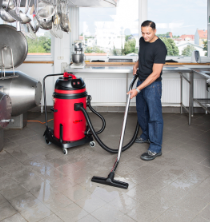
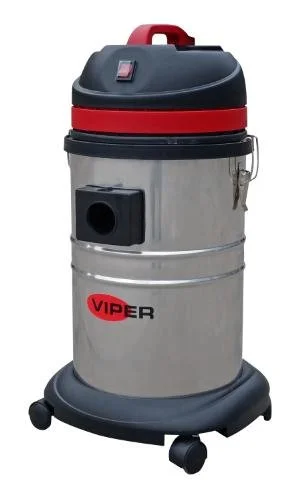
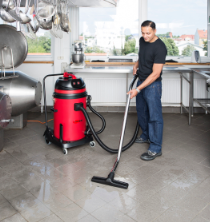
Wet and dry vacuum cleaner information
A wet and dry vacuum cleaner recovers liquids and dry material in the same machine. The construction differs from a dry-only vacuum in several respects: the container and internals tolerate standing water, the motor is protected against liquid ingress, and a float or level sensor cuts the suction before the container overfills. Establishing that a machine is genuinely rated for wet pickup, rather than merely tolerant of damp material, is the first thing to check.
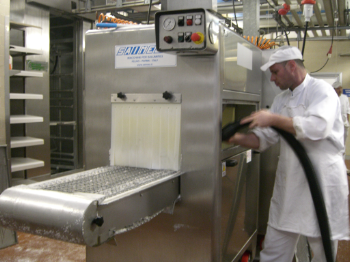
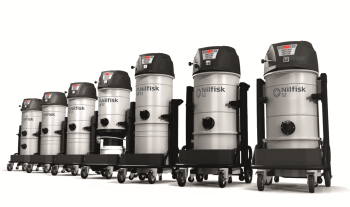
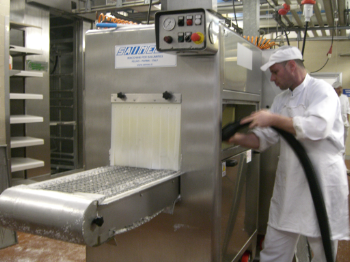
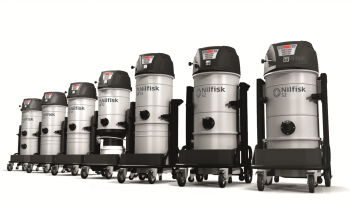
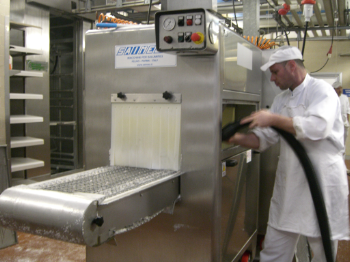
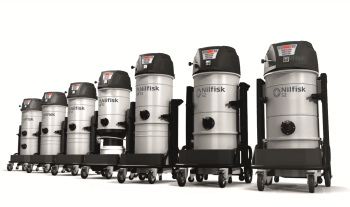
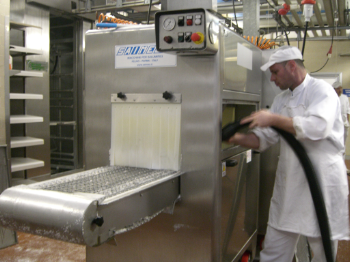
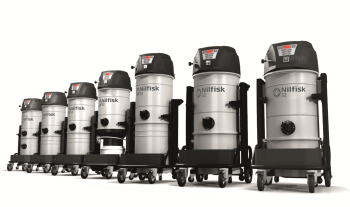
The range divides into three tiers. Commercial machines are compact and portable, suited to janitorial work, contract cleaning, washrooms and spillage response. Industrial single phase machines are built for heavier duty cycles, larger recovery volumes and harsher material, with better filtration and considerably longer service life under sustained use. Three phase machines are for continuous shift work and high volume recovery where a single phase motor would be working at its limit. The difference shows up quickly in service. A commercial machine on an industrial duty cycle fails early, and paying three phase prices for intermittent work is money better spent elsewhere.
Power supply is the other decision that catches people out. 110v is standard on construction sites and in many plant environments for safety reasons, and needs a transformer. 240v suits fixed facilities on a standard supply. Three phase delivers more sustained power but has to be available at the point of use. Confirm what your site can provide before specifying.
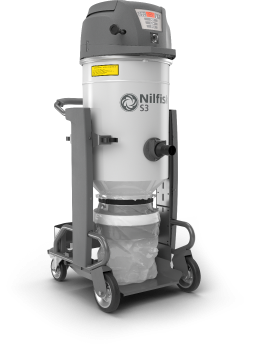
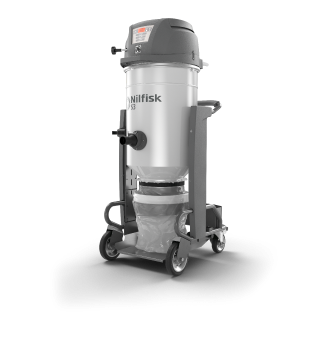
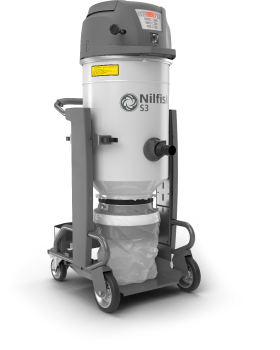
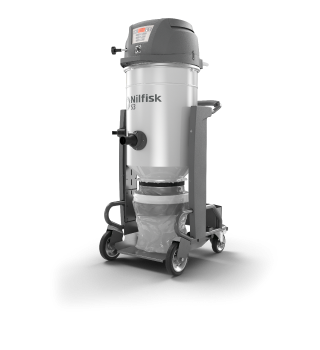
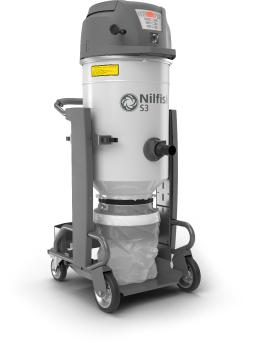
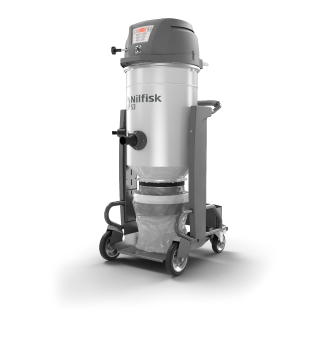
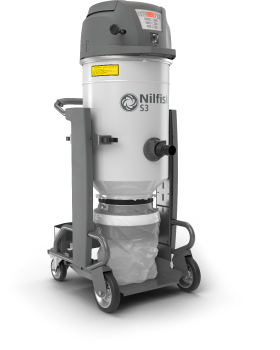
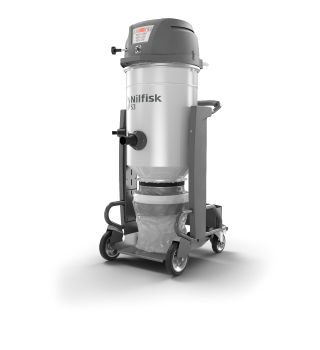
CFM North East supply Viper commercial machines from £180 and Nilfisk industrial units through to three phase models at the top of the range, with servicing and spares supported by our own engineers. As an approved Nilfisk supplier with over 25 years of trading, we will size the machine correctly, arrange delivery and support it through its working life. Call 01677 426699 to discuss your requirement, or request a quote below.
Wet and dry vacuum cleaner FAQs
What is a wet and dry vacuum cleaner?
A wet and dry vacuum cleaner recovers both liquids and dry material without a change of configuration. The container, seals and motor protection are built for liquid contact, and a float or level cut-off stops the suction when the container reaches capacity. Commercial and industrial versions are also called wet pickup vacuums, wet vacs or site vacuums.
How does a wet and dry vacuum work?
Suction draws air, liquid and debris through the hose into the collection container. Liquid separates by gravity and drops to the base while air continues through the filtration and out through the exhaust. On dry work the filter does the separation. On wet work the filter is often bypassed or replaced with a wet-rated element, which is why the filter arrangement matters more on these machines than on a dry-only vacuum.
What is the difference between a commercial and an industrial wet and dry vacuum?
Duty rating, construction and service life. A commercial machine is built for intermittent use in cleaning and premises maintenance, is lighter, more portable and cheaper to buy. An industrial machine is built for heavy or continuous work, with more robust construction, larger capacity, better filtration and components rated for sustained running. Buying the wrong tier is the most common and most expensive specification error in this category.
Can a wet and dry vacuum pick up water?
Yes, that is the defining function. The machine must be set up correctly first, which normally means fitting the wet filter or removing the dry filter according to the manufacturer's instructions. Running a machine on wet pickup with a dry paper filter fitted will destroy the filter and can allow liquid to reach the motor.
Do I need to change the filter to vacuum liquids?
On most machines, yes. Arrangements vary by manufacturer. Some models use a permanent wet-rated filter and need no change, others require the dry cartridge or bag removed before wet work. The float cut-off is a safety device, not a substitute for the correct filter setup.
What is the difference between a 110v and a 240v wet and dry vacuum?
The voltage is the only functional difference on otherwise identical models. 110v is the UK standard for construction sites and many industrial settings, because a centre-tapped 110v supply reduces the severity of an electric shock. If you are working on site you will need 110v and a transformer. For a fixed facility on standard mains, 240v is the practical choice.
What is a site vacuum cleaner?
Site vacuum is the informal name for a rugged 110v wet and dry machine used on construction and refurbishment work. The specification priorities differ from a facility machine: impact resistance, hose durability, ease of emptying and the ability to handle wet rubble and slurry matter more than filtration refinement.
Do I need single phase or three phase?
Single phase covers the majority of commercial and industrial requirements and runs on a standard supply. Three phase is worth considering where the machine runs continuously across a full shift, where recovery volumes are high, or where single phase suction is not sufficient. Three phase delivers more sustained power, and the supply has to be available where the machine will be used.
What size wet and dry vacuum do I need?
Work from the recovery volume rather than the container size alone. Estimate the volume collected in a typical session, then allow headroom so the operator is not emptying the machine constantly, which is where productivity is lost. Consider how the container empties as well, because a large drum full of water is heavy and a tipping or drainage arrangement may be necessary.
Can a wet and dry vacuum be used for flood water or spillage response?
Commercial and industrial wet vacuums are routinely used for standing water, burst pipes and spillage clearance. Capacity and the emptying arrangement determine how practical the machine is at volume. For contaminated water or hazardous liquids, the filtration specification and container material need to suit what is being recovered, so confirm the application before ordering.
Can a wet and dry vacuum pick up hazardous dust?
Only with the correct filtration classification. Dust class defines how much hazardous material the filtration must retain, with M class rated for hazardous dusts and H class rated for carcinogenic and pathogenic dusts. A general purpose wet and dry vacuum without a class rating is not suitable for those materials. If the dust is also combustible and the area is a classified zone, an ATEX certified machine is required instead.
What is the difference between a wet and dry vacuum and an industrial vacuum?
Wet and dry describes what the machine can recover. Industrial describes the duty rating and build quality. Many industrial vacuums are wet and dry capable and many are not, so the terms describe different attributes rather than different machines. Check both when specifying.
How much does a wet and dry vacuum cleaner cost?
Commercial machines start at £180.54 and industrial units run from around £1,600 to over £17,000 depending on capacity, filtration, construction and power supply. Current prices for each model are shown on this page, and we will quote on request for any specification not listed.
Which brands of wet and dry vacuum does CFM North East supply?
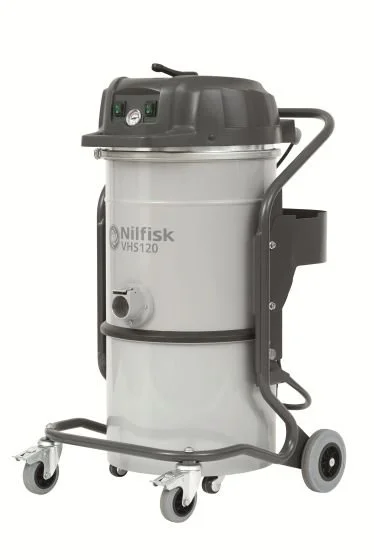
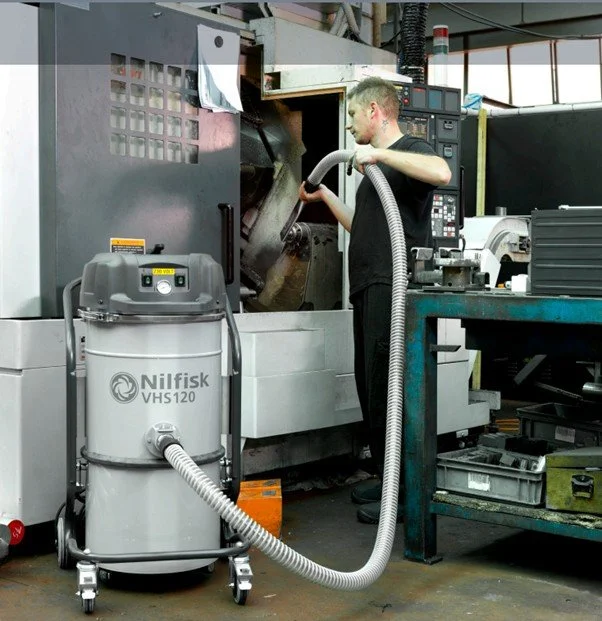
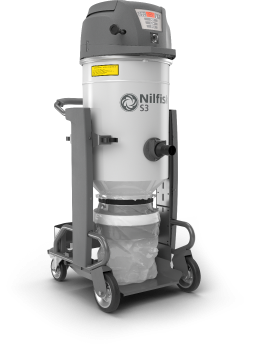
CFM North East supply Viper commercial wet and dry vacuums and Nilfisk industrial machines. We are an approved Nilfisk supplier, and the Nilfisk VHS, S3 and T40W ranges make up the majority of our industrial wet and dry stock.
Does CFM North East service wet and dry vacuum cleaners?
Yes, our engineers service and maintain industrial wet and dry vacuums across the range. Regular attention to seals, float mechanisms and filter condition matters particularly on wet pickup machines, because a failed seal or blocked float allows liquid to reach components not designed for it.