ATEX Vacuum Cleaners
ATEX certified vacuum cleaners are designed for facilities where combustible dust or flammable vapour creates a risk of ignition. CFM North East supply over 25 ATEX certified models rated models across Zone 1, Zone 2, Zone 21 and Zone 22 classifications, with over 25 years of experience specifying equipment for hazardous area applications.
⚙️ Expertly Refurbished
📝 Machine Warranty Cover
⚡Battery Warranty Cover
✅ Ready to Use
🛡️ Risk-Free Purchase
💎 Trusted Brands
🏷️ Flexible Payment Options
⚙️ Expertly Refurbished 📝 Machine Warranty Cover ⚡Battery Warranty Cover ✅ Ready to Use 🛡️ Risk-Free Purchase 💎 Trusted Brands 🏷️ Flexible Payment Options
Need expert advice?
Call 01677 426699 or click here to contact us
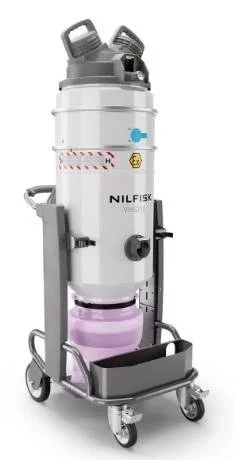
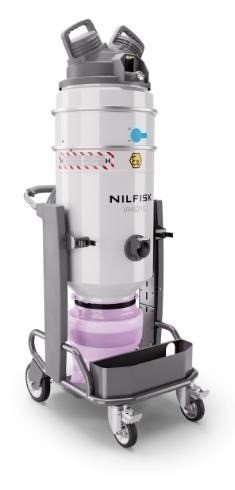
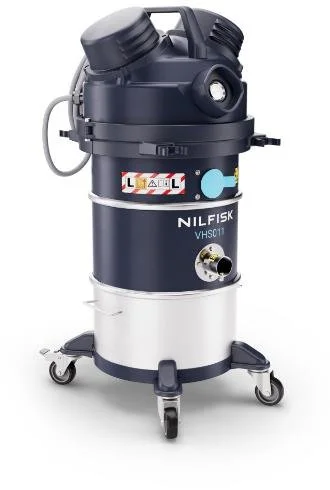
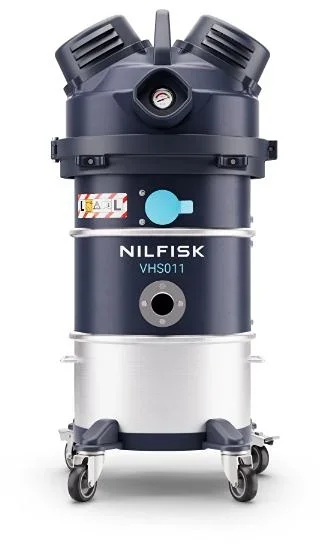
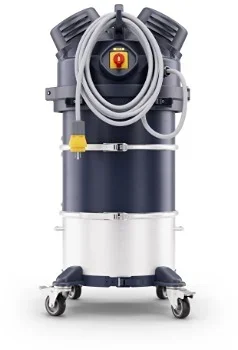
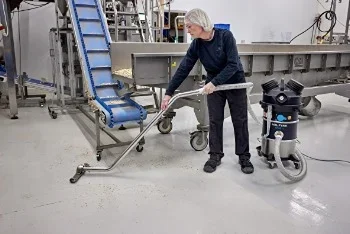
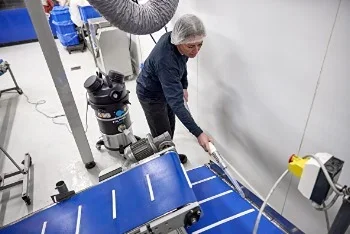
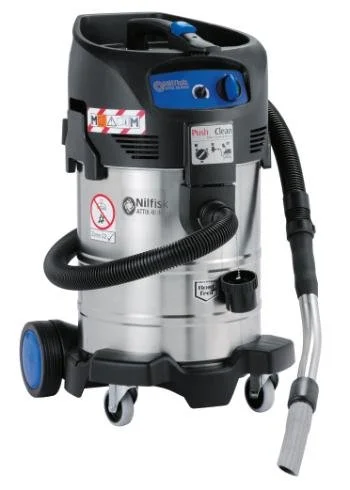
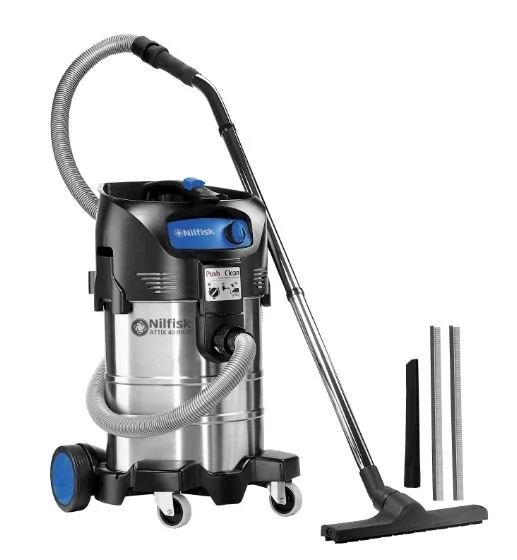
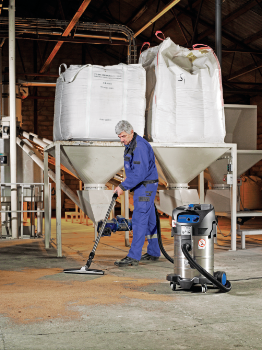
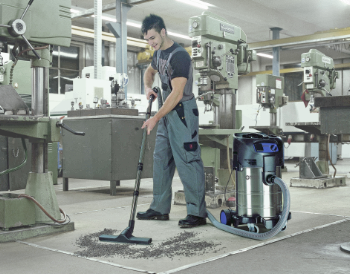
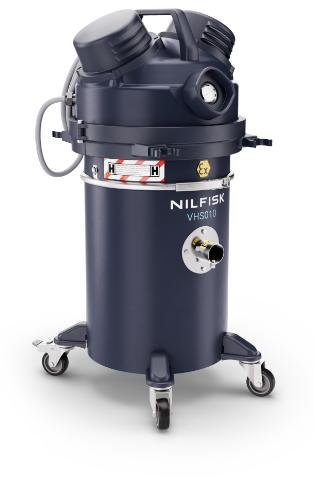
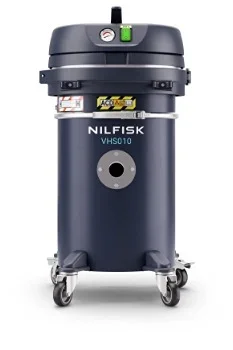
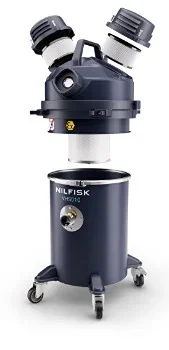
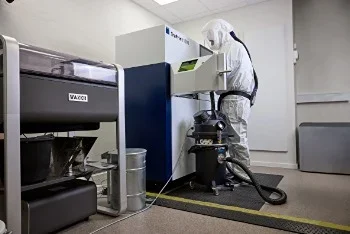
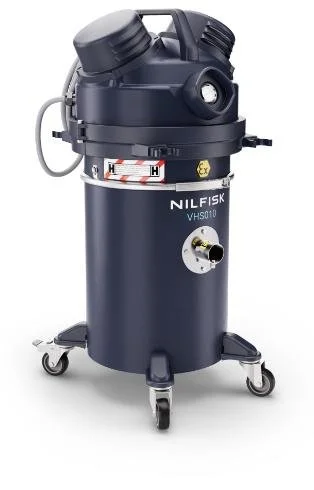
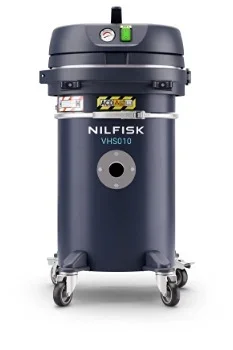
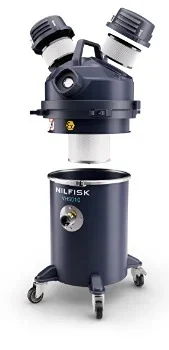
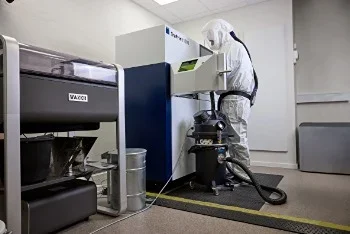
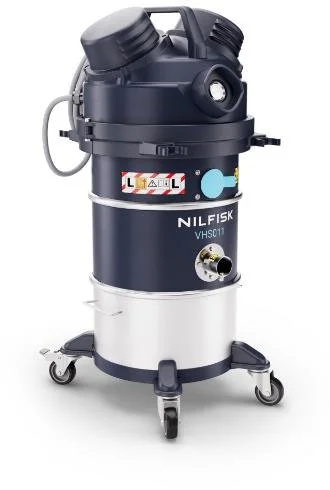
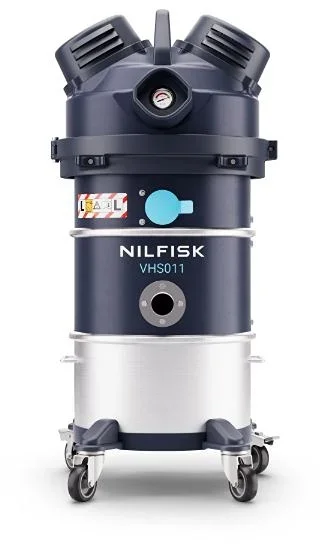
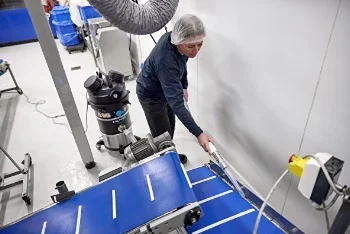
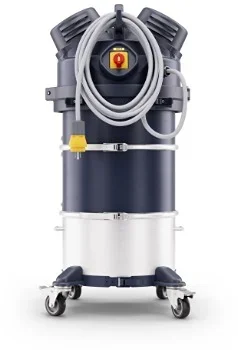
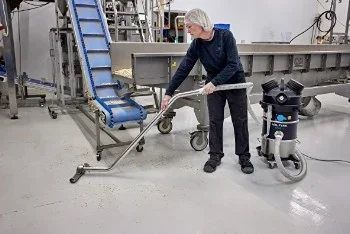
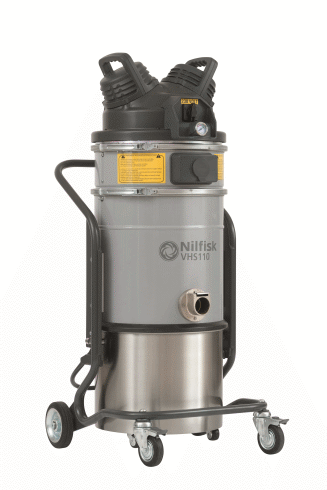
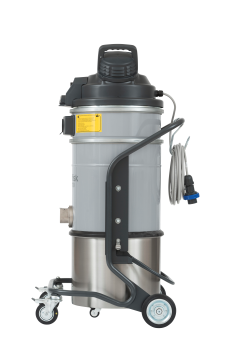
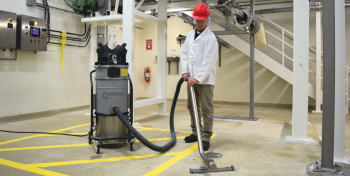
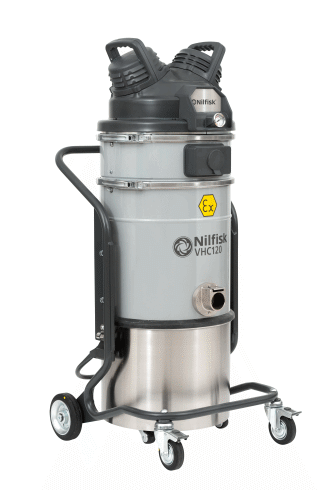
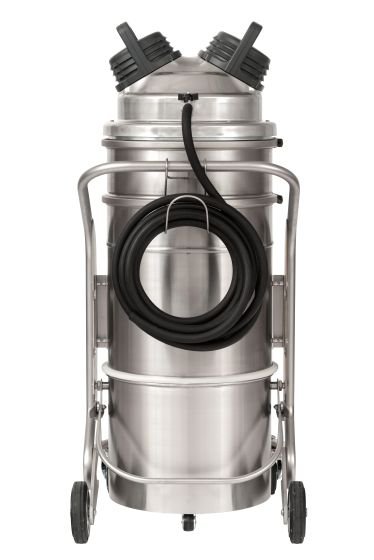
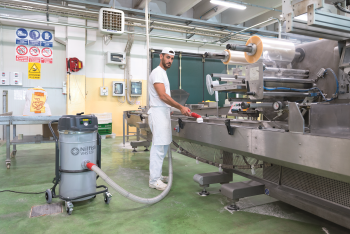
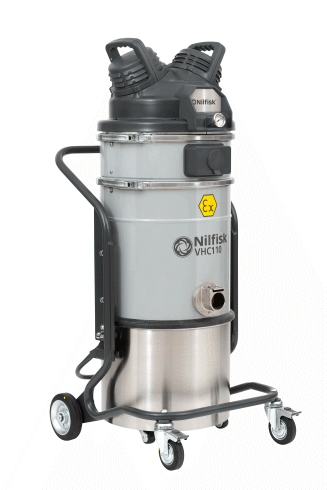
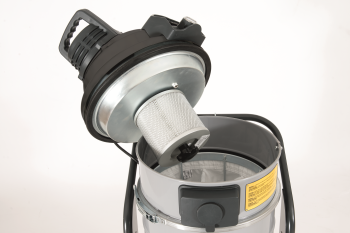
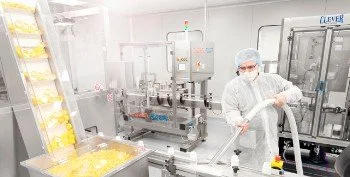
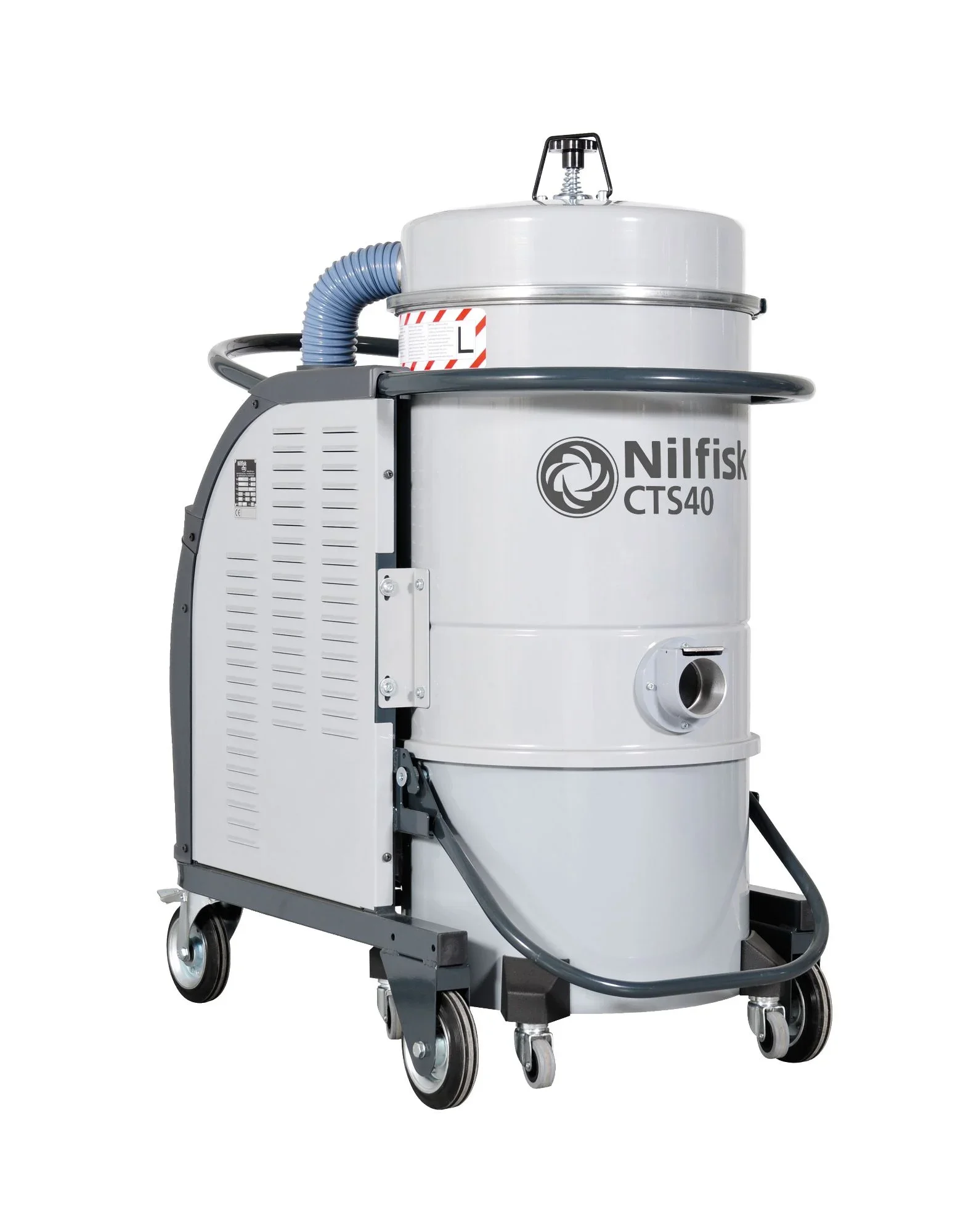
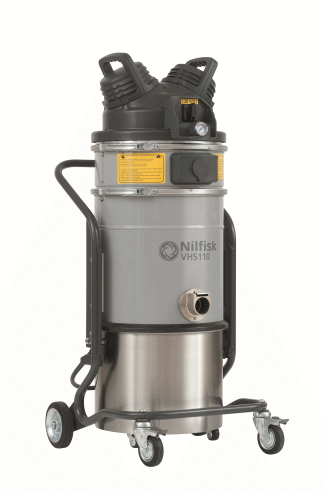
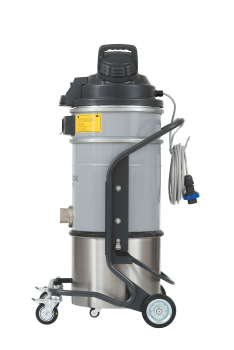
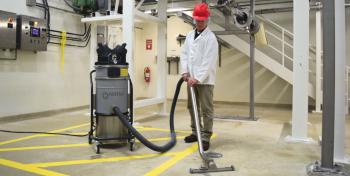
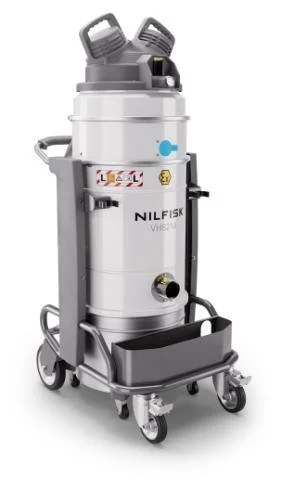
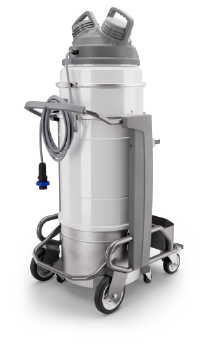
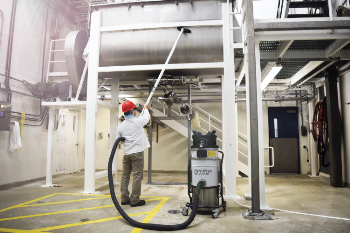
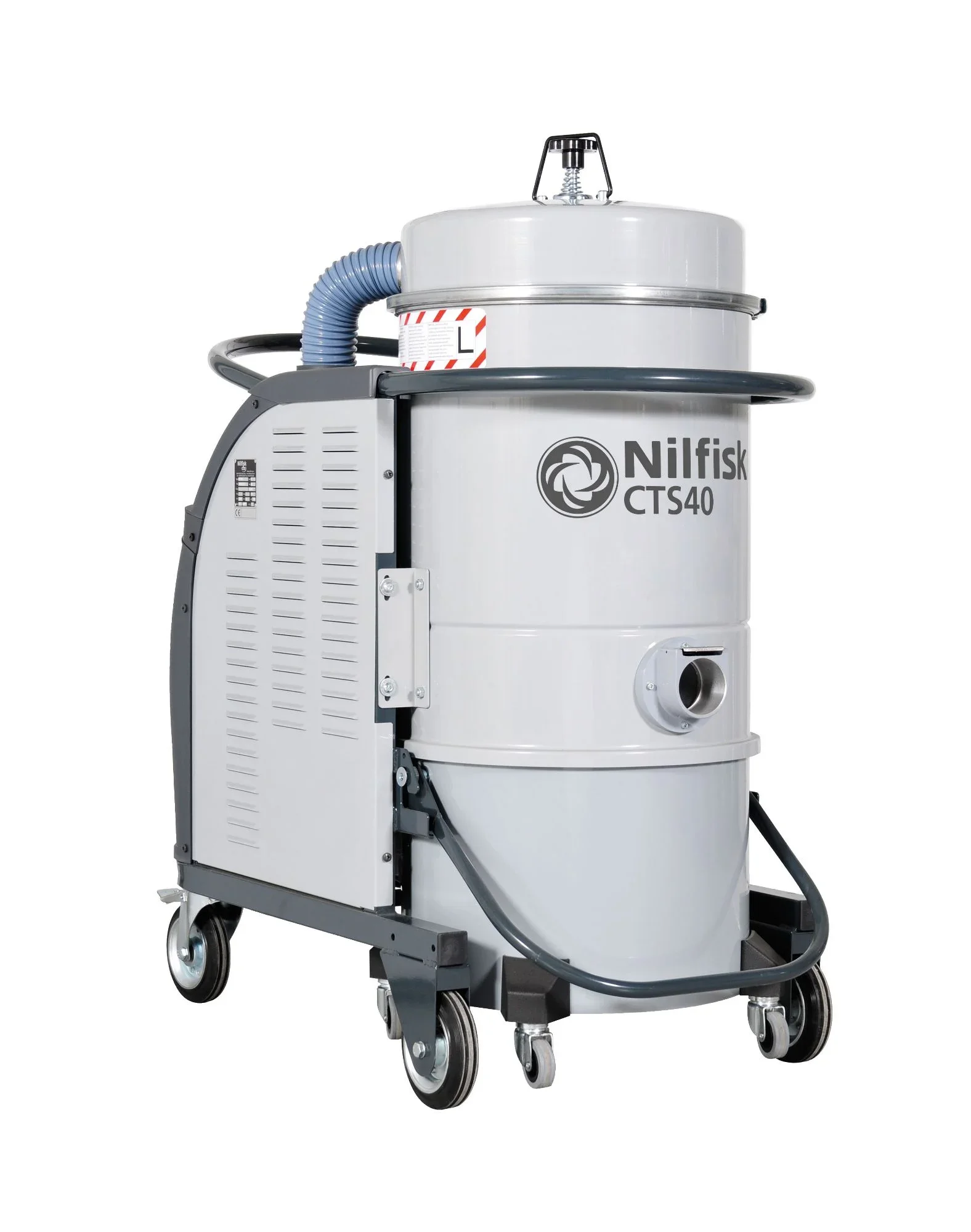
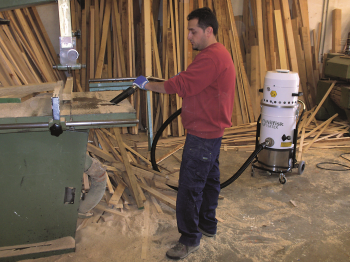
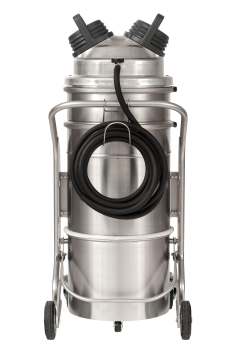
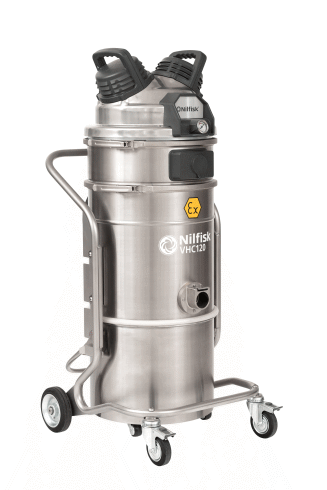
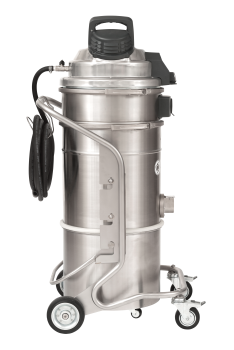
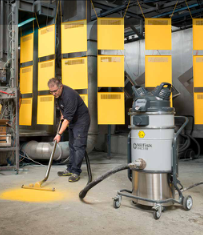
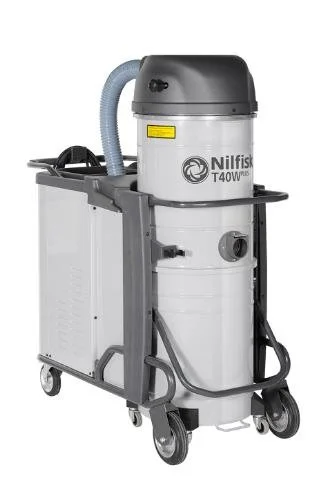
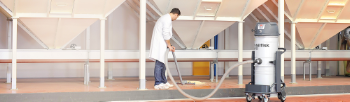
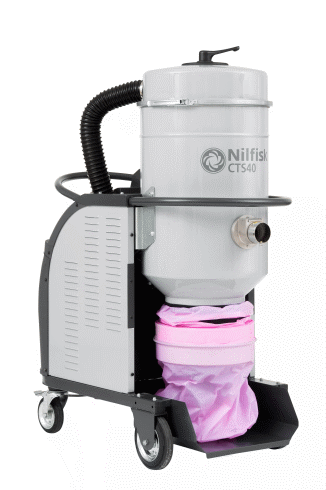
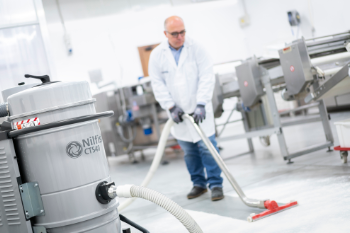
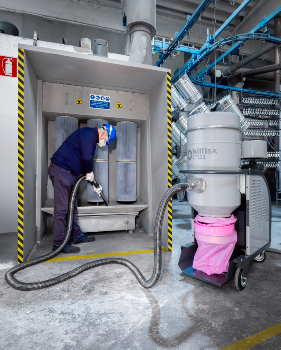
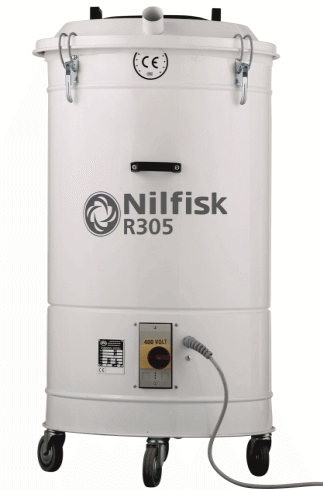
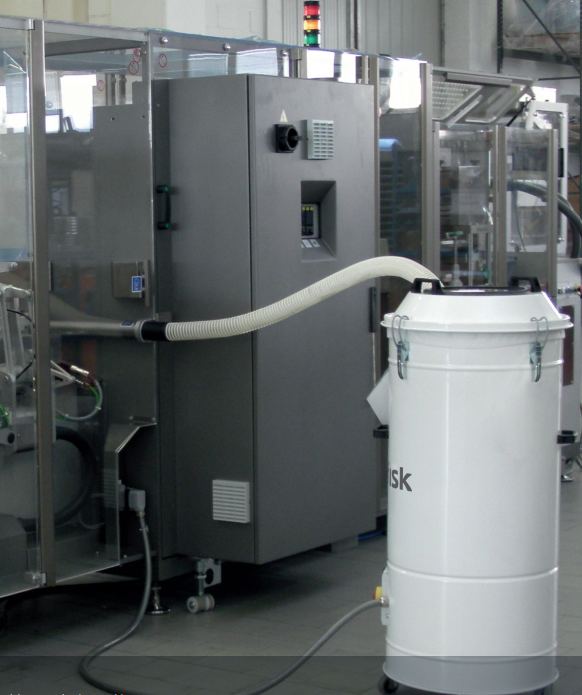
ATEX vacuum cleaner information
ATEX vacuum cleaners are built for facilities where combustible dust or flammable vapour creates a risk of ignition. Certification applies to the complete machine, not just the motor, so that no part of the unit can produce the spark, static discharge or hot surface needed to ignite an explosive atmosphere. A standard industrial vacuum, including an antistatic model, is not an acceptable substitute in a classified area.
CFM North East supply ATEX certified vacuums rated for Zone 1, Zone 2, Zone 21 and Zone 22, covering both dust and gas atmospheres. These machines are used in flour and sugar processing, woodworking, pharmaceutical production, battery and metal powder handling, paint and coatings, and any operation where fine combustible material is generated or where solvents are in open use.
Specifying the correct machine involves more than the zone rating alone. The dust class, the construction material, the filtration arrangement and the earthing and bonding all need to match the material being recovered and the conditions in the area. Our team will work through those requirements with you and recommend a machine that is certified for the zone your facility has already classified.
As an approved Nilfisk supplier with over 25 years of trading, we can advise on machine selection, arrange delivery and support the equipment for the life of the asset. For expert advice and guidance contact us today.
ATEX vacuum cleaner FAQs
What is an ATEX vacuum cleaner?
An ATEX vacuum cleaner is an industrial vacuum certified for use in areas where an explosive atmosphere may be present. Certification covers the whole machine, including the motor, filtration, hose, castors and collection container, so that no component can act as a source of ignition. Every certified machine carries an Ex marking that states the zones it is approved for. For a full overview see our ATEX Vacuum superguide here.
What does ATEX stand for?
ATEX is taken from the French term atmosphères explosibles. It refers to two European directives: one covering equipment intended for use in explosive atmospheres, and one covering the protection of workers in those atmospheres. In Great Britain the equipment requirements now sit within the Equipment and Protective Systems Intended for Use in Potentially Explosive Atmospheres Regulations 2016, and the workplace duties within the Dangerous Substances and Explosive Atmospheres Regulations 2002.
When is an ATEX vacuum cleaner required?
An ATEX vacuum is required wherever the area being cleaned has been classified as a hazardous zone. That includes locations where combustible dust such as flour, sugar, wood, aluminium, coal or plastic can form a cloud, and locations where flammable vapour from solvents, fuels or coatings may be present. If a zone classification exists for the area, any equipment taken into it must be certified for that zone.
Is an ATEX hoover the same as an ATEX vacuum cleaner?
Yes, the two terms are interchangeable and refer to the same thing.
What are ATEX zones?
Zones describe how often an explosive atmosphere is likely to be present. Gas and vapour are classified as Zone 0, Zone 1 and Zone 2. Dust is classified as Zone 20, Zone 21 and Zone 22.
Zone 0 and Zone 20: an explosive atmosphere is present continuously or for long periods
Zone 1 and Zone 21: an explosive atmosphere is likely to occur occasionally during normal operation
Zone 2 and Zone 22: an explosive atmosphere is unlikely during normal operation and short lived if it does occur
What is the difference between a dust rated and a gas rated ATEX vacuum?
The two ratings address different hazards and are not interchangeable. A machine certified for Zone 21 or Zone 22 is approved for combustible dust. A machine certified for Zone 1 or Zone 2 is approved for flammable gas and vapour. Some machines carry both ratings, and where a facility has a combined risk, the machine must be certified for each atmosphere it will encounter.
Is an antistatic vacuum cleaner the same as an ATEX vacuum cleaner?
No. An antistatic vacuum uses conductive hoses and earthed components to limit static build-up, which is a useful safeguard but does not amount to certification. Only a machine that has been assessed and marked as ATEX compliant may be used in a classified zone. Selecting an antistatic model in place of a certified one is one of the most common specification errors we see.
What is the difference between ATEX certification and M or H dust class?
They measure different things. ATEX certification relates to explosion risk and defines where the machine may be used. Dust class relates to the health risk of the material being recovered and defines how much of it the filtration must retain, with M class rated for hazardous dusts and H class rated for carcinogenic and pathogenic dusts. A machine may need both an ATEX rating and an M or H class filtration specification.
Can an ATEX vacuum cleaner be used for flammable liquids and solvents?
Certain models are certified for the recovery of flammable liquids, but this is a specific specification rather than a general capability of ATEX machines. The construction material, the container earthing and the filtration all need to suit the liquid being recovered. Confirm the intended application before ordering, as a machine certified for combustible dust is not automatically suitable for solvent recovery.
Which ATEX vacuum cleaner do I need for combustible dust?
The starting point is the zone classification for the area. Zone 21 requires a Category 2 machine, while Zone 22 requires a Category 3 machine as a minimum, and equipment certified for a more demanding zone may be used in a less demanding one. Beyond the zone rating, the material properties, the recovery volume and the dust class requirement will determine the model, the container size and the filtration.
Who is responsible for classifying the zones in my facility?
Zone classification is the responsibility of the employer or duty holder under DSEAR, normally carried out through a hazardous area classification study by a competent person. CFM North East do not carry out zone classification. Once your classification is in place, we will use it to specify equipment that is certified for the zones concerned.
How much does an ATEX vacuum cleaner cost?
ATEX certified machines cost more than standard industrial vacuums because certification applies to the complete build and every component must be assessed. Pricing varies with the zone rating, the motor size, the filtration specification and the container arrangement. Current prices for each model are shown on this page, and we will quote on request for any specification not listed.
Which brands of ATEX vacuum cleaner does CFM North East supply?
CFM North East are an approved Nilfisk supplier of the ATEX vacuum cleaner range and explosion-proof vacuums.
Does CFM North East service ATEX vacuum cleaners?
Our engineers service and maintain ATEX certified machines alongside the rest of our range. Maintaining certified equipment to the manufacturer's schedule matters more than on standard machines, because worn seals, damaged hoses and degraded earthing paths can compromise the certification the machine was supplied under.
ATEX vacuum cleaner articles