Scrubber Dryer Guide
The complete UK guide to scrubber dryers. From pedestrian and ride-on machines to brush systems, sizing and buying advice, this guide helps you choose the right floor scrubber dryer for your facility.
Choosing the correct scrubber dryer is one of the more important equipment decisions a facility makes.
An incorrect choice of machine can be costly in terms of wasted labour or worse still, may not complete the job to the required standard. Often, if the machine is incorrect, operators will not bother to use it and it will sit in the cupboard gathering dust. The correct machine will clean floors in a fraction of the time it would take utilising mops and buckets and the quality of finish will be vastly improved, therefore swiftly paying for itself many times over.
Whether you operate a warehouse, a supermarket, a factory, a care home, or any facility this guide sets out the full landscape so you can specify with confidence
Guide contents
Introduction
At CFM North East, we have spent over 25 years helping businesses across Yorkshire, the North East and the wider UK find the right floor cleaning machine for their facility. As approved Nilfisk suppliers, we stock more than 30 scrubber dryers from Nilfisk, Viper, Truvox and I-MOP, ranging from the compact Nilfisk SC100 at under £750 to the ride-on Nilfisk SC6000 built for the largest industrial floors.
This guide draws on that experience. It explains the different types of scrubber dryer, how power source and drive affect the machine, which brush or pad drive system suits your floor, and how to match a machine to your facility and budget. Every section links to a more detailed article if you want to explore a topic further. No jargon for its own sake, and no product pushing without context. Just practical guidance to help you make a confident, informed decision.
What is a scrubber dryer?
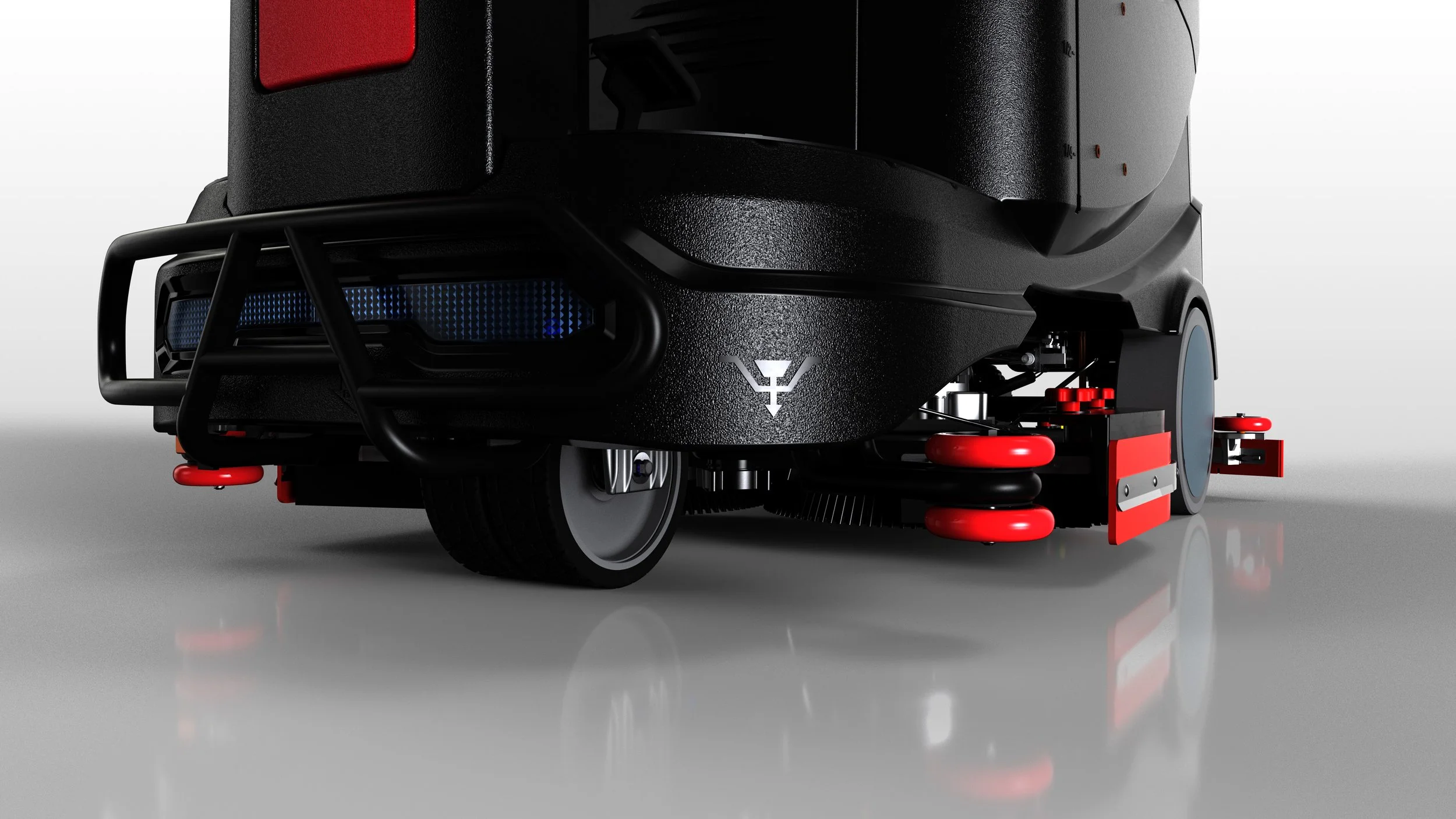
A scrubber dryer is a floor cleaning machine that washes, scrubs and dries a hard floor in a single pass. It applies water and cleaning solution, agitates the floor with rotating brushes or pads, then lifts the dirty water straight back off the surface with a rear squeegee and vacuum, leaving the floor clean and virtually dry behind it.
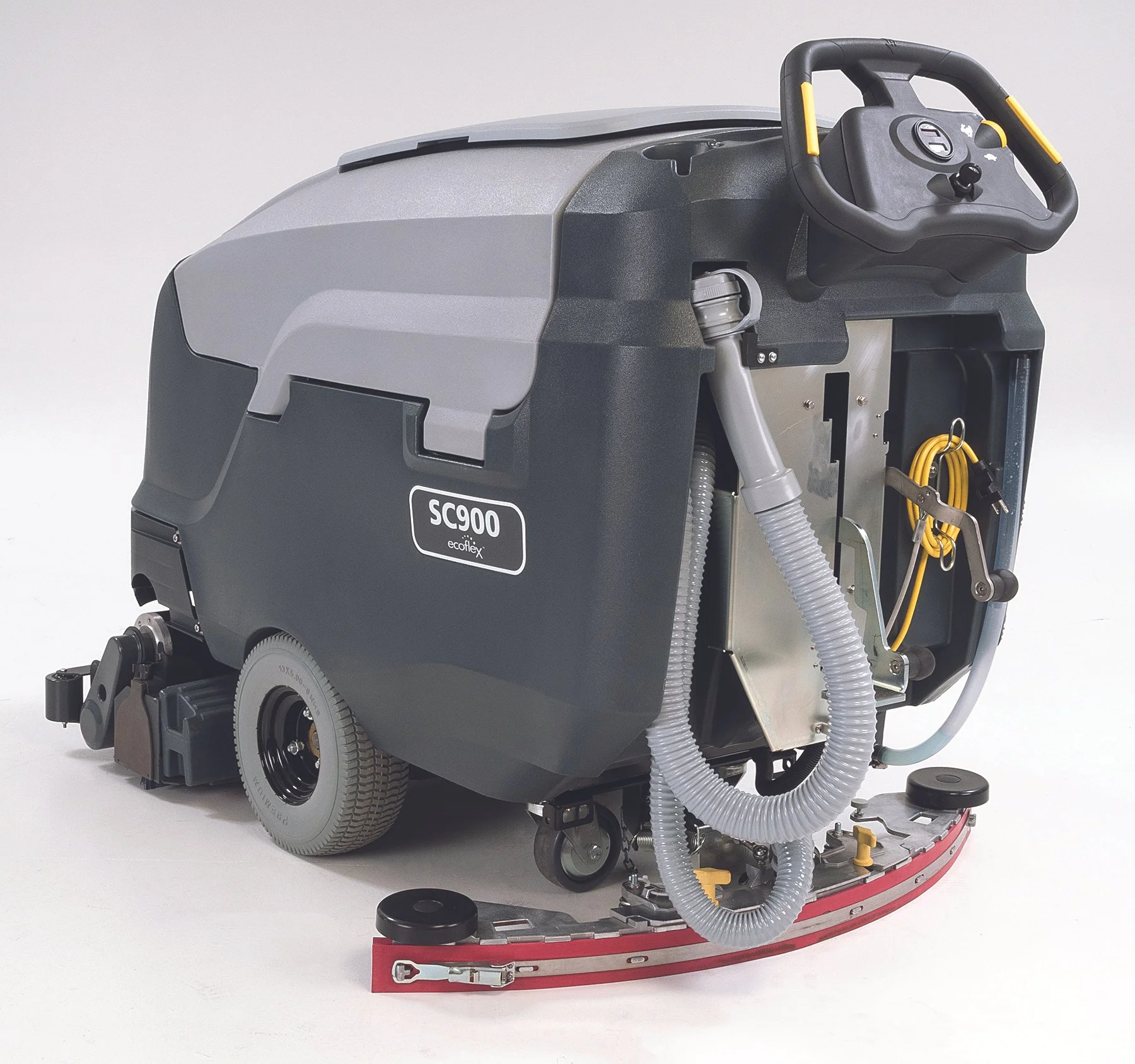
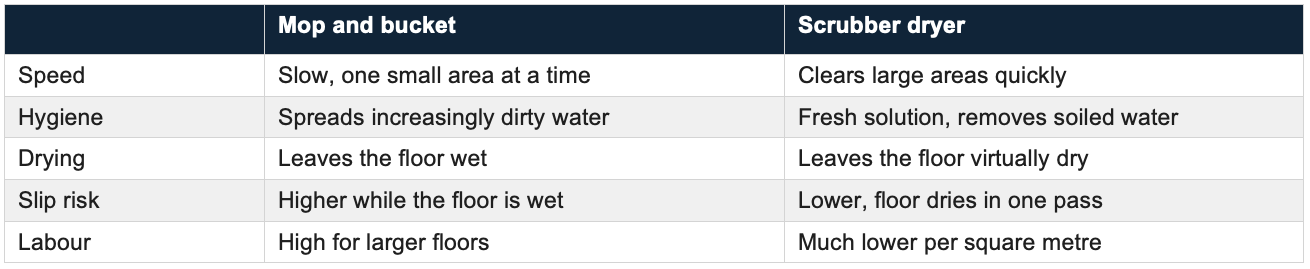
The machine holds clean and dirty water in separate tanks. Fresh solution is dispensed from the solution tank, the brush deck scrubs the floor, and the squeegee and vacuum motor draw the soiled water up into a separate recovery tank. Because the floor is always washed with fresh solution rather than the recirculated water a mop spreads, a scrubber dryer cleans more hygienically as well as faster. The floor is dry enough to walk on almost immediately, which removes the slip risk that comes with mopping.
Types of scrubber dryer
Scrubber dryers are not a single product. They span pedestrian and ride-on formats, several brush systems and a range of power and drive options. Understanding the types available is the first step towards choosing the right machine.
Pedestrian (walk-behind) scrubber dryers
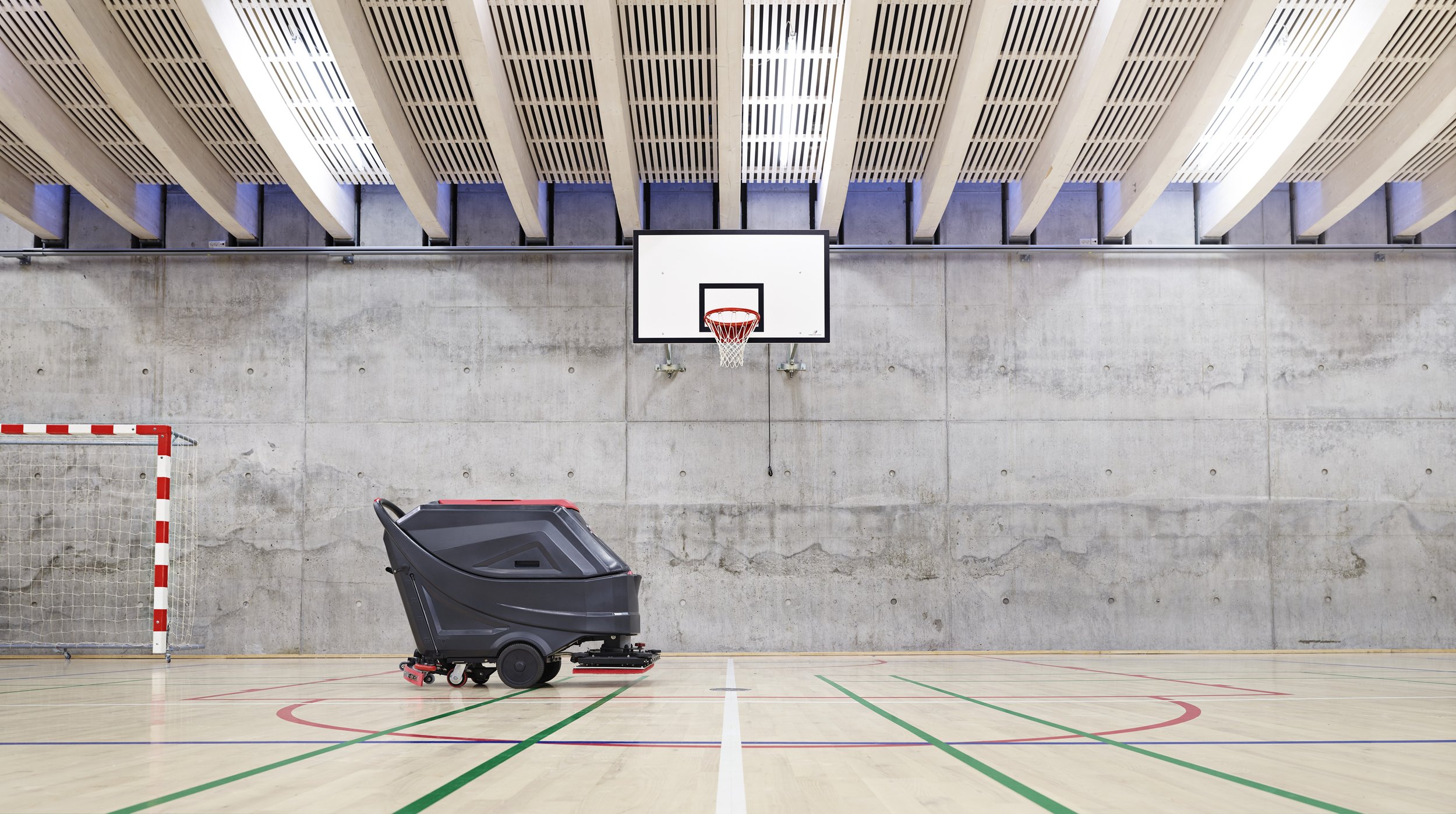
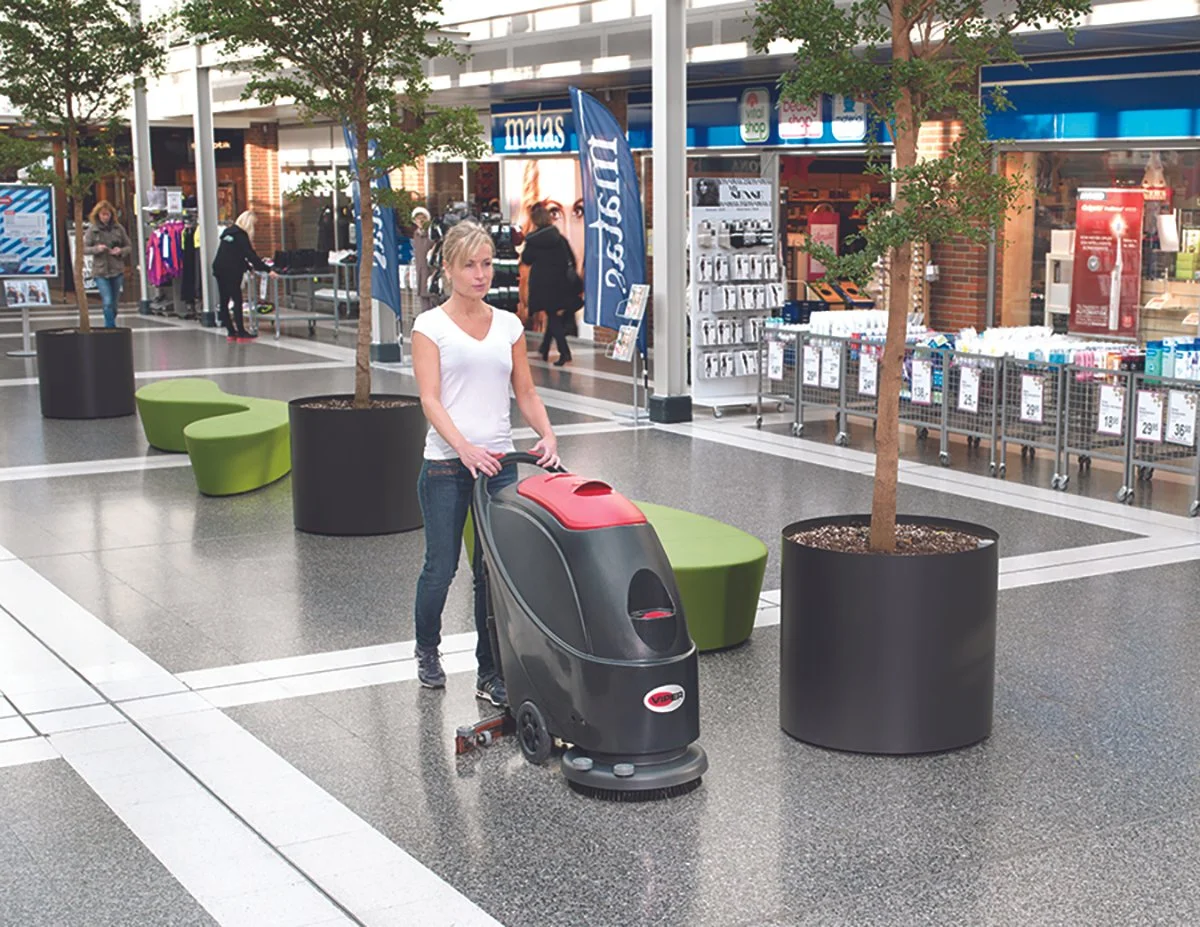
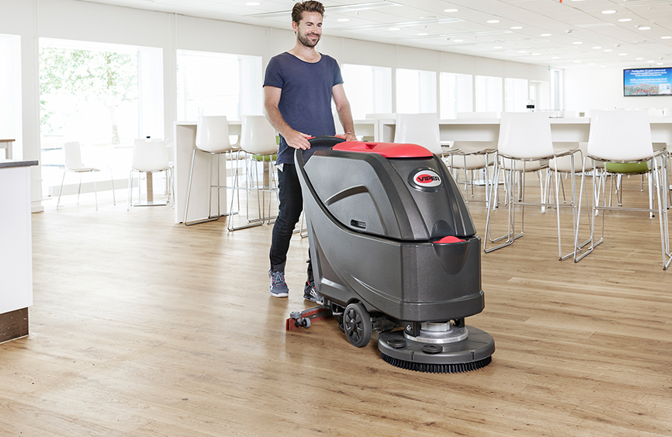
Operated by walking behind the machine, pedestrian scrubber dryers suit small to medium floors and more congested spaces where manoeuvrability matters. CFM stocks a wide pedestrian range, from the compact Nilfisk SC100 and SC250 through the popular Nilfisk SC351 and SC530, alongside the Viper AS4325B, AS5160 and AS5160T, along with and the Truvox Multiwash Pro series.
Ride-on scrubber dryers
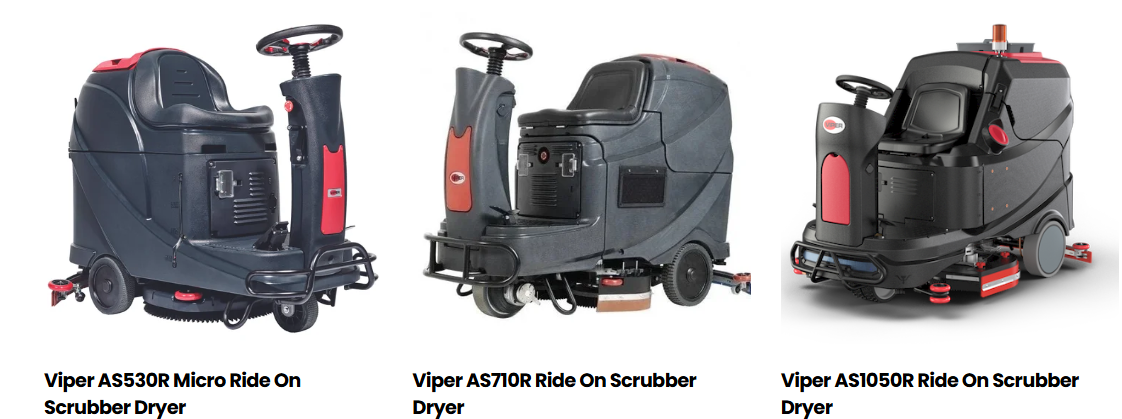
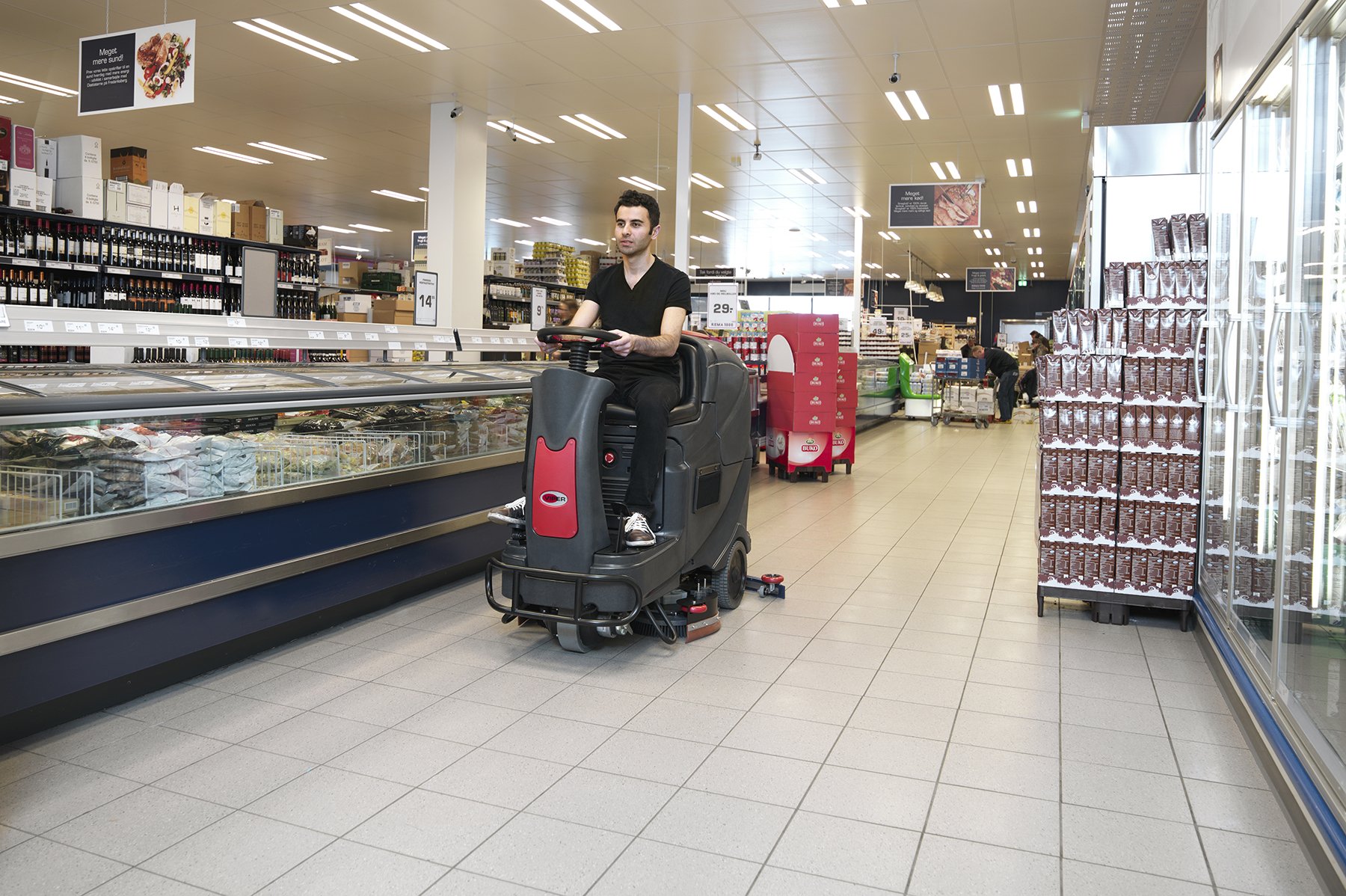
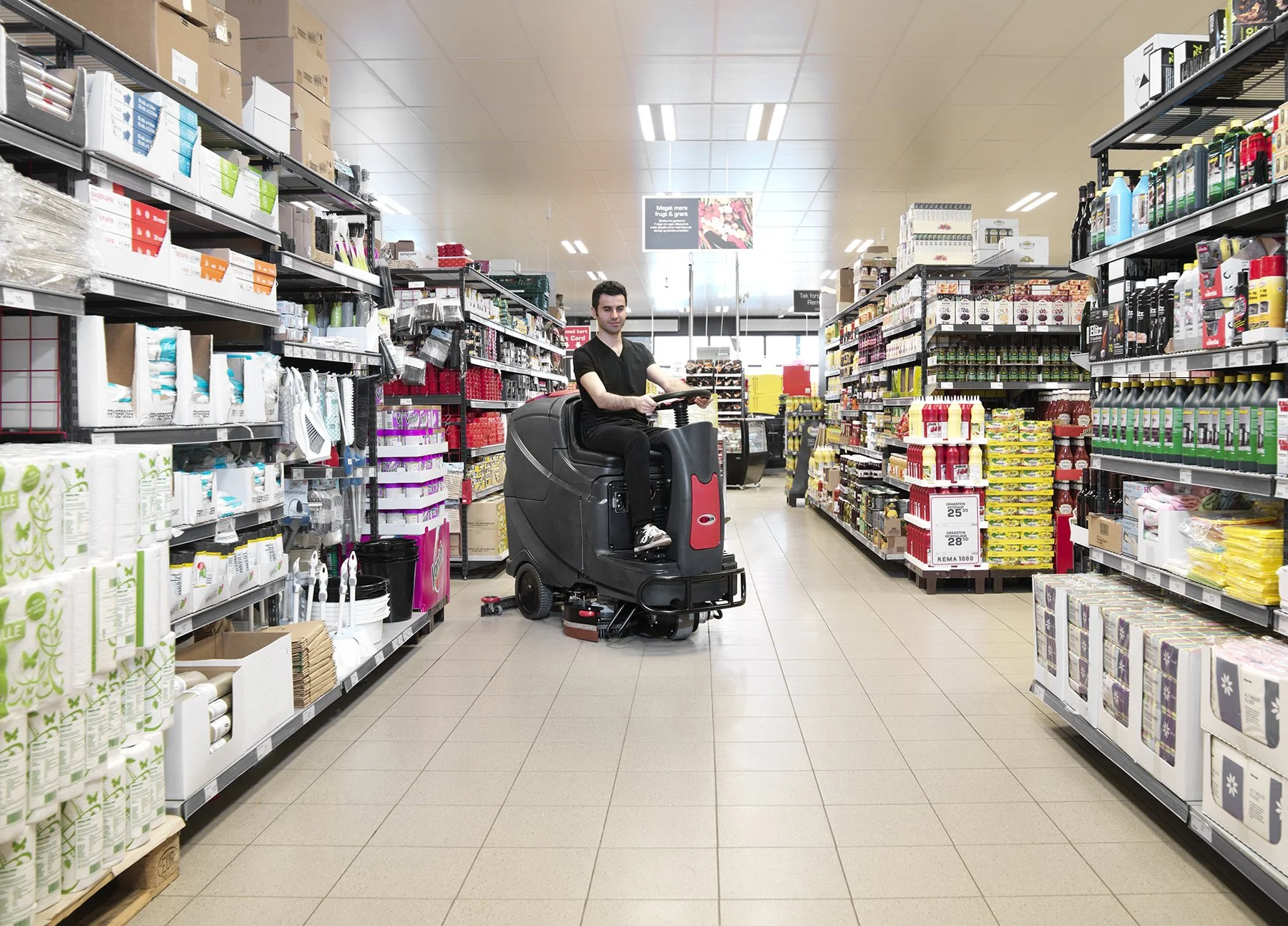
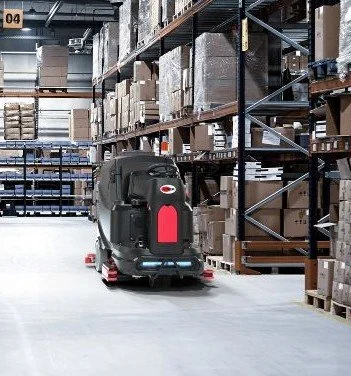
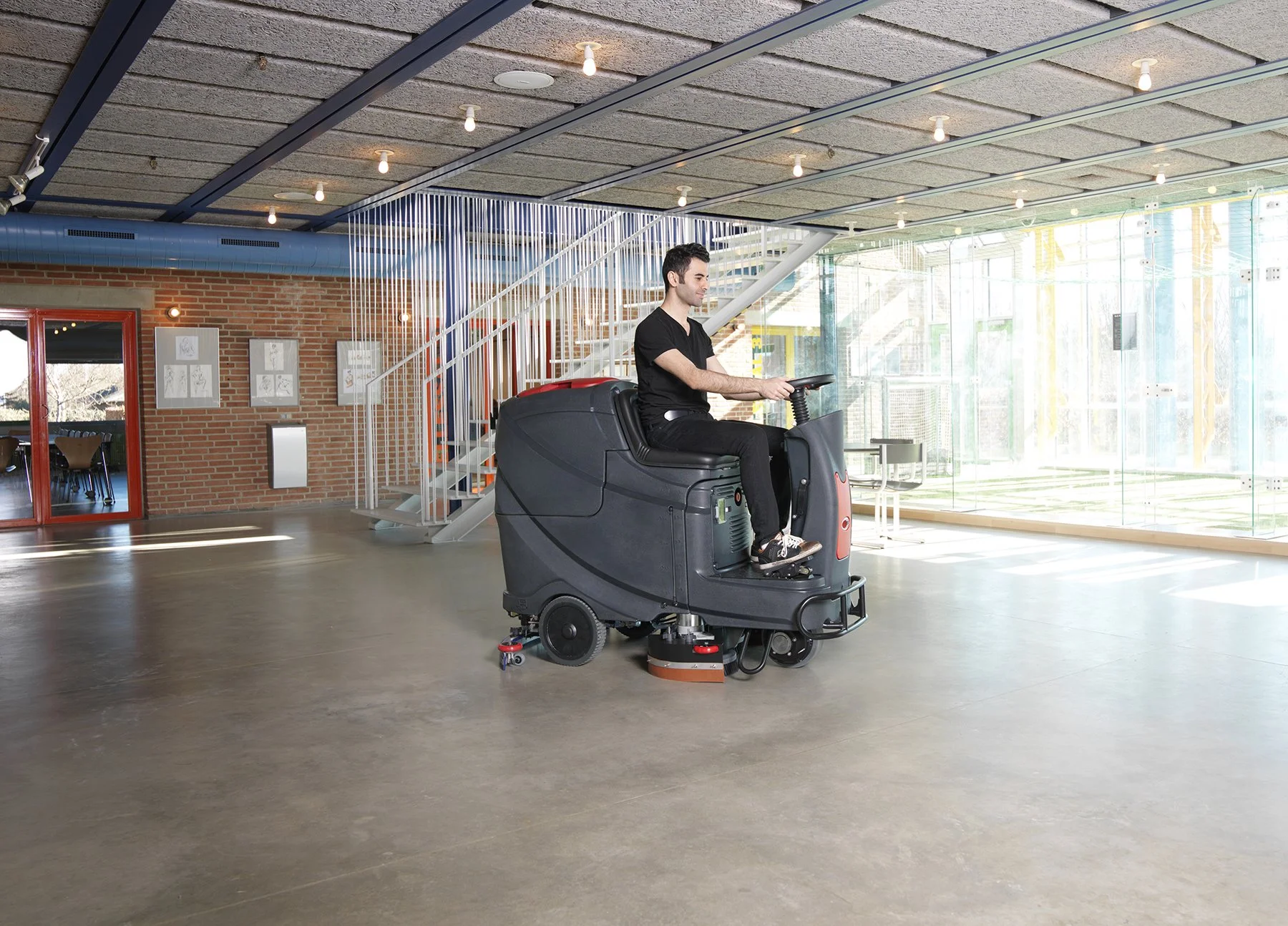
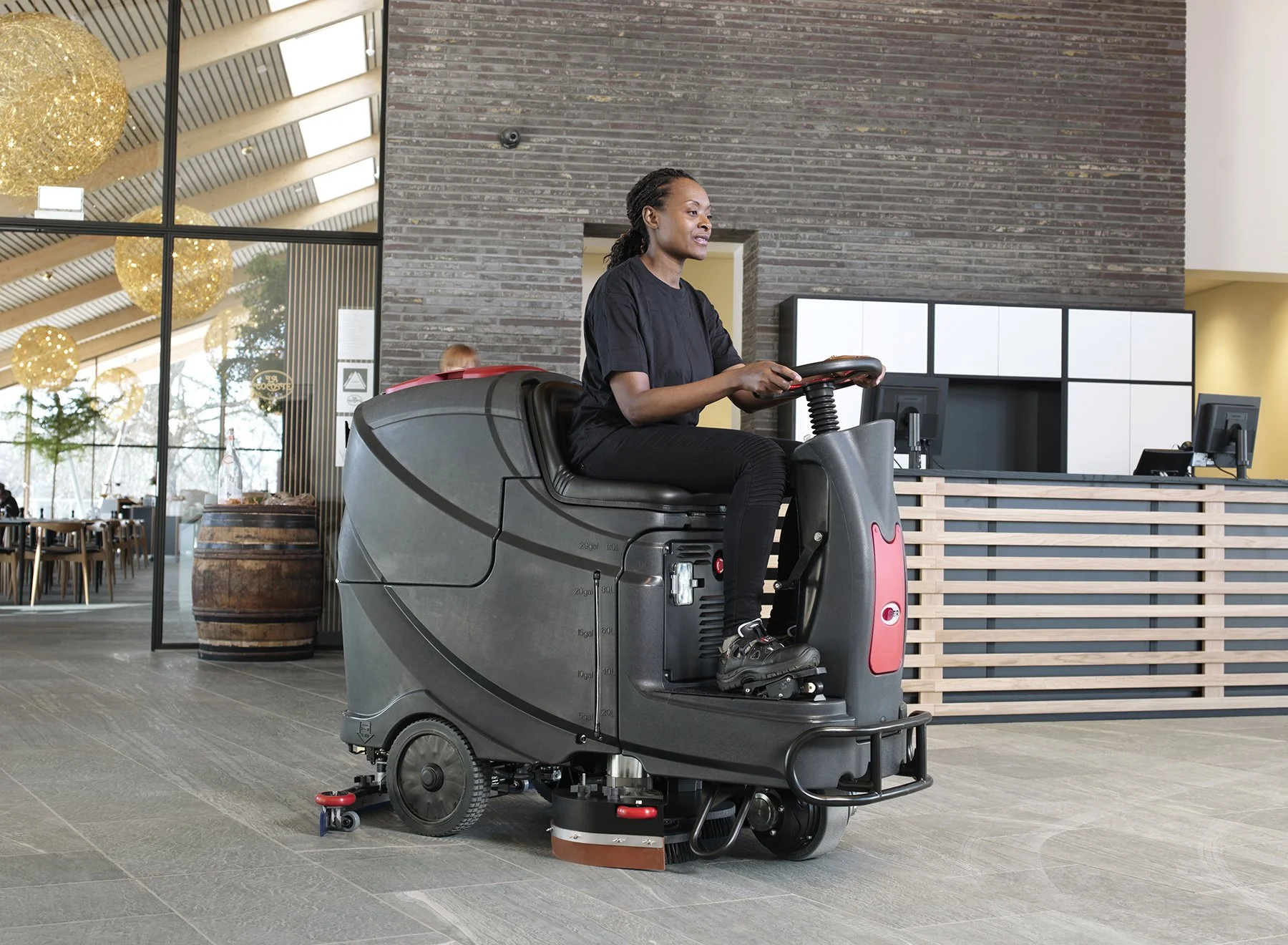
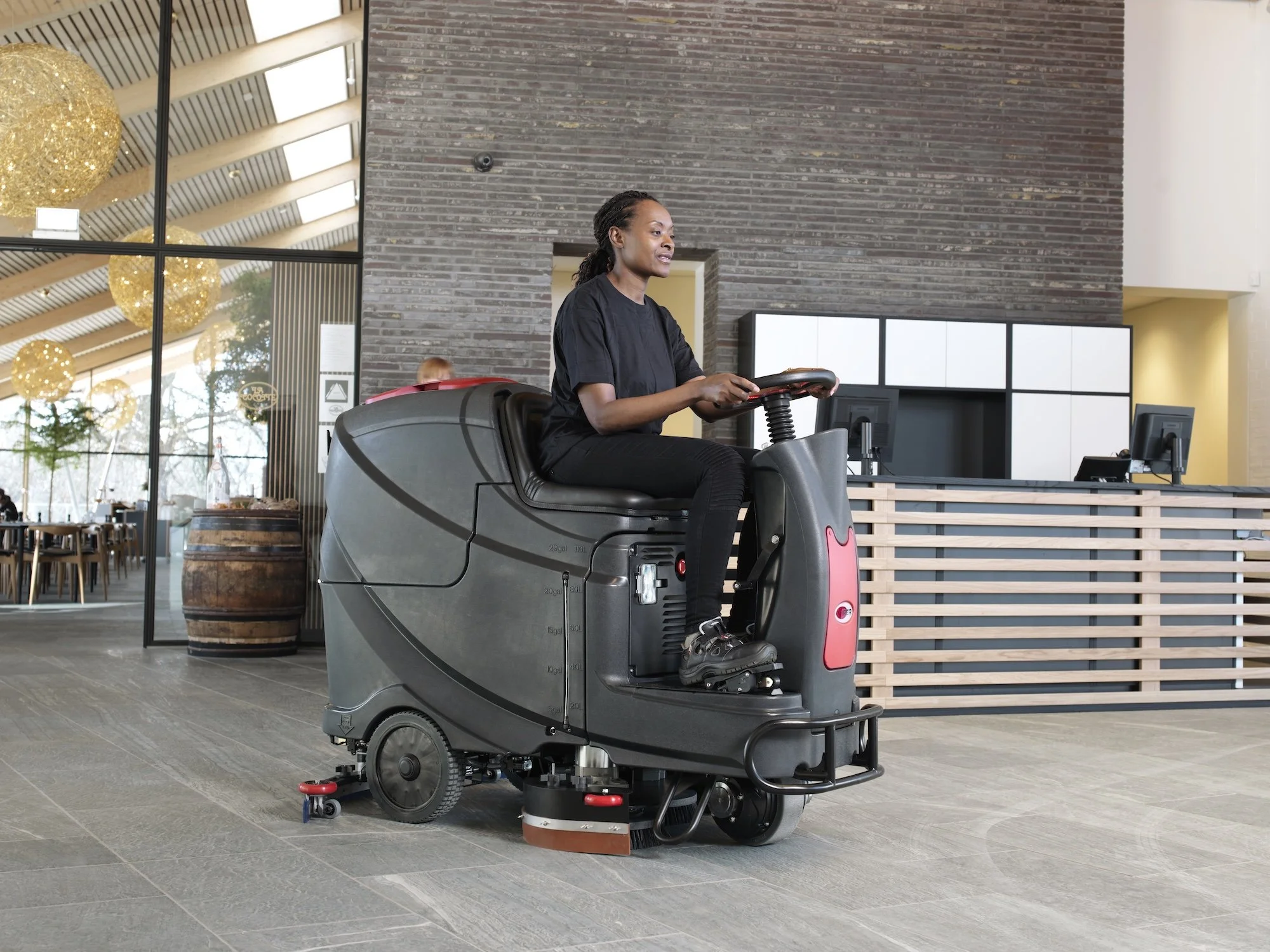
Ride-on scrubber dryer machines let the operator sit and cover large open floors quickly, which dramatically reduces cleaning time in warehouses, manufacturing plants and distribution centres for example. The range spans the Viper AS710R and AS1050R and the Nilfisk BR652, up to the large Nilfisk SC5000 and SC6000 for the biggest sites. The Viper AS530R micro ride-on bridges the gap between pedestrian and full ride-on for medium areas.
Compact and battery scrubber dryers
Compact machines suit retail aisles, cafes, washrooms and reception areas where a full-size deck cannot manoeuvre and where cleaning often happens around people. The Nilfisk SC100 and the Viper AS4335C are examples of small, easy-to-use machines for these spaces.
Cylindrical-brush machines
Many standard scrubber dryers are available in a cylindrical brush configuration including the Truvox Multiwash Pro range. Using uses a cylindrical brush system can also offer a sweeping system which that sweeps up loose debris while it scrubs, which makes it well suited to textured safety flooring, entrance areas and floors that would otherwise need sweeping first. A steam variant is also available for enhanced hygiene.
The I-MOP: articulated compact scrubbing
The I-MOP XL and XXL are highly manoeuvrable, articulated scrubber dryers that handle like a large mop but clean like a machine. They reach into tight spaces, get close to edges, and give the flexibility of a pedestrian tool with far greater productivity, which suits hospitality, healthcare and mixed retail environments.
Combination scrubber-sweepers
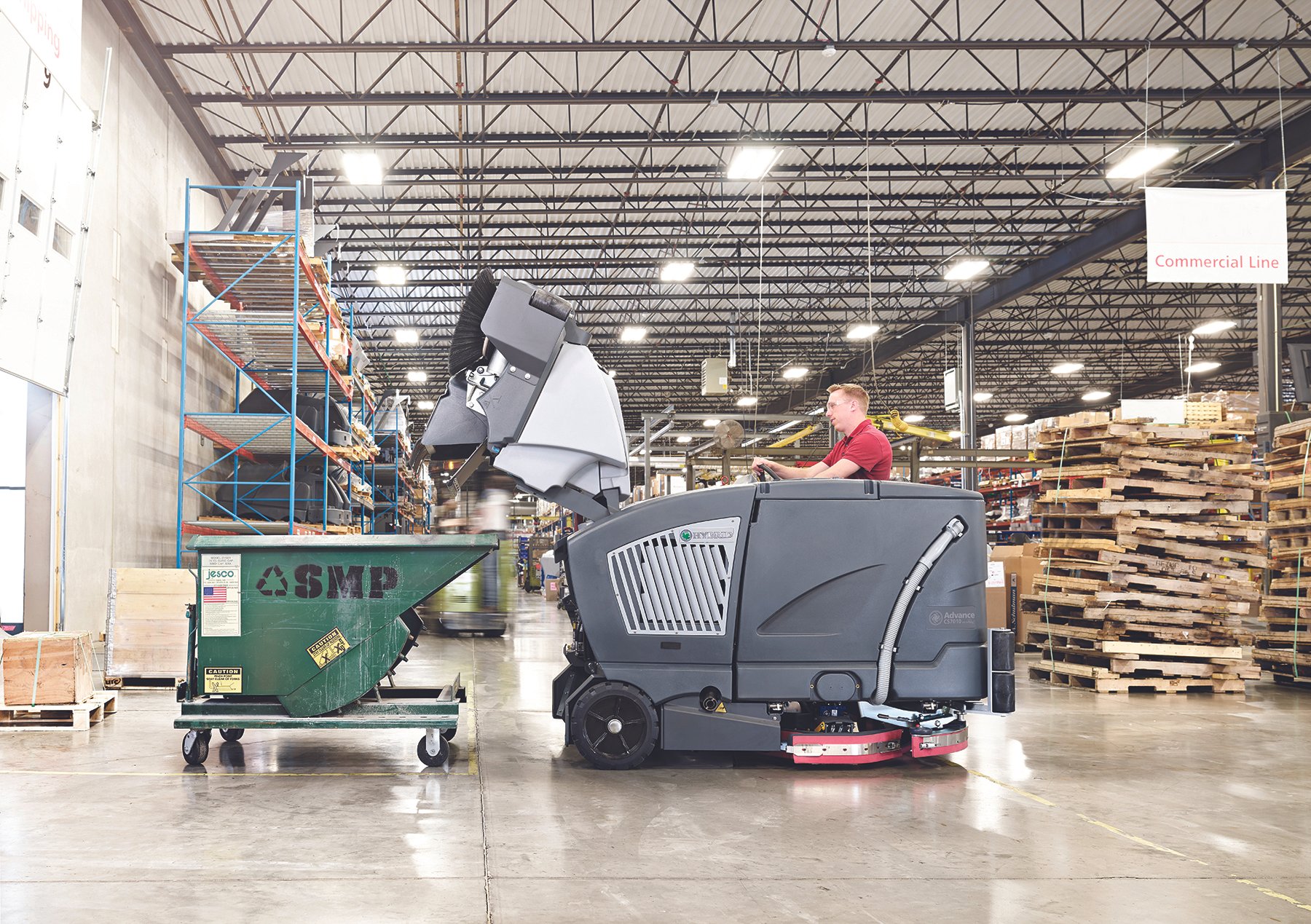
For very large or heavily soiled floors, combination machines such as the Nilfisk SC8000 sweep and scrub in a single pass. These are specialist machines for high-volume industrial cleaning where sweeping first would otherwise be a separate job.
Pedestrian vs ride-on scrubber dryers
This is the decision most buyers face first, and it comes down to the size of the floor and how open or congested it is. Pedestrian machines suit smaller or more complex spaces where manoeuvrability matters. Ride-on machines suit large, open areas where an operator would otherwise spend the whole shift walking, and they cut cleaning times sharply.
As floor area and daily cleaning times grow, the case for a ride-on strengthens. Where a site sits between the two, the Viper AS530R micro ride-on offers ride-on productivity in a compact footprint. Obstacle density, doorway widths and storage all matter, so the right answer is best judged against the actual site rather than floor area alone.
Power and drive: cable, battery and traction
Three choices shape how a scrubber dryer is powered and moved: the power source, whether the machine is self-propelled, and the battery type. Each affects run time, freedom of movement and operator effort.
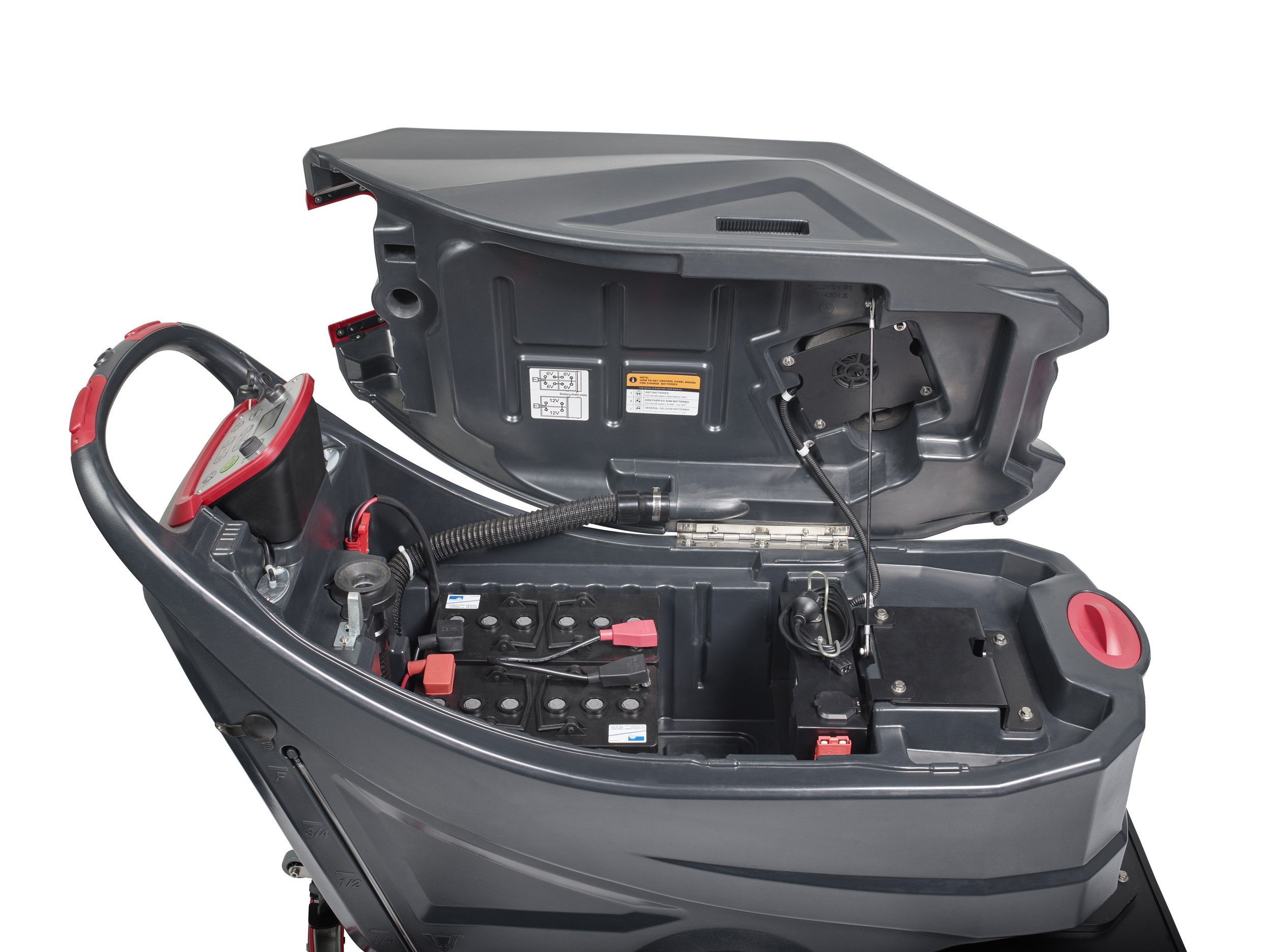
Cable-powered machines, such as the Viper AS430C, suit smaller fixed cleaning routes where trailing a lead is not a problem, and they remove charging from the equation. Battery machines are the most common choice above the smallest sizes, giving cordless freedom across larger or obstacle-heavy areas. Traction-drive models, such as the Nilfisk SC530 BD GO and the Viper AS5160T, are self-propelled to reduce operator fatigue on larger machines. On battery machines, lithium options charge faster and can be topped up during breaks, while lead-acid remains a lower-cost choice.
Brush systems: disc, cylindrical and orbital
The brush or pad system decides how well a machine cleans a given floor. Disc systems are the most common and take either a brush or a pad, which makes them versatile across most floors. Cylindrical systems, as used on the Truvox Multiwash, sweep loose debris into a tray as they scrub and handle textured and safety floors well. Orbital and articulated systems, including the I-MOP or the Viper AS7910 TO, apply an oscillating but even, aggressive action that suits deep cleaning and can reduce chemical use.
Where a floor carries loose grit or debris, sweeping first still gives the best result and protects the brush deck. Our floor sweeper guide covers that side of the job in full.
How to choose the right scrubber dryer
With so many formats and options, choosing can feel involved. This step-by-step framework simplifies the decision.
Step 1: How big is the area?
Floor area and daily cleaning time drive deck width and tank capacity. A small cafe is well served by a compact pedestrian machine, while a large warehouse needs a ride-on with a wide deck and big tanks to avoid constant refilling and emptying.
Step 2: How open or congested is the space?
Open floors favour ride-on machines. Tight, cluttered or shelved spaces favour pedestrian or articulated machines that can manoeuvre around obstacles and reach edges.
Step 3: What is the floor and the soiling?
The surface and the type of dirt decide the brush or pad. Smooth sealed concrete, textured safety flooring, tiles with grout lines and polished floors each need a particular set-up, and the wrong pad or brush can damage a sensitive floor.
Step 4: Which at power and drive best suits the site?
Choose cable for small, fixed routes, battery for freedom across larger areas, and traction drive to reduce fatigue on bigger larger machines. Ensure you have a suitable area to allow safe charging for multiple hours if a battery machine is your choice.
Step 5: Who will use it and when?
Daytime cleaning around staff or the public will require rewards a quiet, easy-to-use machine. Most operations will benefit from simple controls and low maintenance.
Step 6: Budget and acquisition method
Generally, the scrubber dryers we offer range from under £750 to around £30,000. Purchase is only one route. Hire, leasing and contract hire each offer different financial and operational advantages. We offer no obligation, on site demonstrations of most machines we sell, where we will cover the distinct benefits and pitfalls of each option.
Scrubber dryers by floor type
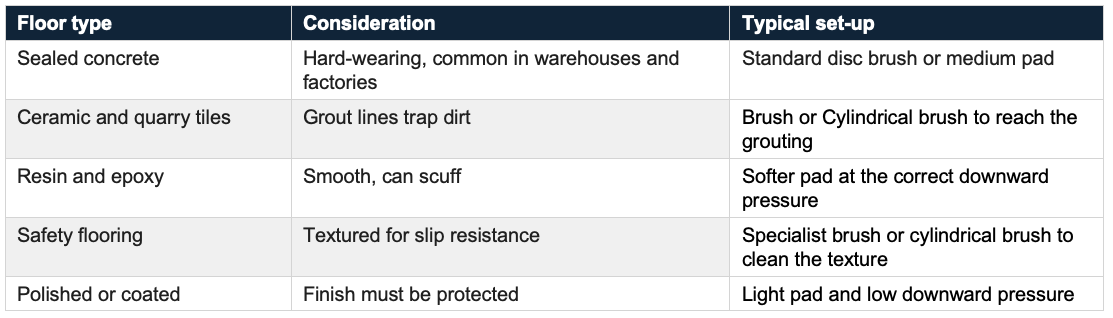
The correct machine and whether pad or brush set up, depends on your flooring type and configuration. The table below sets out the common surfaces and a sensible starting point for each.
Scrubber dryers by industry sector
Every sector has its own flooring type s, soiling issues and cleaning windows. Understanding how scrubber dryers are used across sectors helps you identify the right approach for your own site.
Warehousing and logistics
Large concrete floors and long cleaning routes suit ride-on machines such as the Nilfisk SC5000 or Viper AS1050R, which cover ground quickly and hold enough water for extended runs.
Manufacturing and engineering
Oil, swarf and heavier soiling call for a robust machine and the right brush pressure. A durable pedestrian or ride-on machine keeps production floors clean and safe.
Retail and supermarkets
Daytime cleaning around customers rewards quiet, manoeuvrable machines. The Viper AS530R micro ride-on and compact pedestrian machines keep aisles clean without disruption.
Healthcare and education
Hygiene, safety flooring and simple operation for in-house teams are the priorities. Compact and articulated machines such as the I-MOP suit corridors, wards and classrooms.
Food and beverage
A wide variety of requirements exist within this sector/ category, good advice and quite often a site visit are generally beneficial to be able to identify specific cleaning machine requirements throughout the facility. Often different machines are required for different elements of production/ logistics and offices.
Hospitality and automotive
Front-of-house floors need a clean finish and quiet running, while workshops and showrooms deal with oil and tyre marks. The right machine depends on the mix of surfaces and size of operation on site.
Our range: 30+ scrubber dryers in stock
CFM North East holds more than 30 scrubber dryers in stock across pedestrian and ride-on formats, generally we work with 4 tried and trusted suppliers/ brands although we are able to source and supply virtually any recognised cleaning machine should you require such. This will ensure that the correct machine for your floor is almost always available.
Additionally, we are generally able to bring the machines to your facility for you to have a try and satisfy yourself it is the correct machine for your facility prior to purchasing, leasing or hiring it.

Every Nilfisk machine benefits from Nilfisk's engineering, genuine parts and service network. As an approved Nilfisk supplier, we have direct access to technical support and product expertise that general resellers cannot match. We also stock the Viper by Nilfisk range for value, the British-built Truvox Multiwash for textured and safety floors, and the innovative I-MOP for manoeuvrable, edge-to-edge scrubbing.
Acquiring your scrubber dryer: buy, hire, lease or contract hire
Not every business wants or needs to buy outright. CFM offers four acquisition routes, each with distinct advantages depending on your operational and financial circumstances.

Hire suits a specific project, cover w hile your own machine is serviced, or a seasonal peak. Leasing spreads the cost and can offer tax advantages, as payments are typically treated as an operating expense. Contract hire combines the machine, servicing and maintenance into a single monthly payment, which is the simplest option for businesses that want to focus on operations rather than equipment upkeep.
Scrubber dryer servicing and maintenance
A scrubber dryer is a working machine, not a fit-and-forget appliance. Suction and scrub quality drop gradually as squeegee blades wear, brushes flatten and seals age, so regular maintenance keeps the machine cleaning well and protects the floor finish.
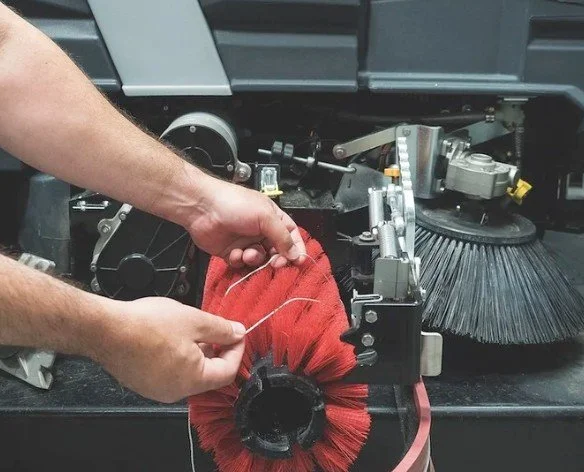
Daily operator care is simple: empty and rinse the recovery tank, clean the squeegee blades, check the brushes and charge the battery. Beyond that, a planned service keeps the machine reliable. CFM's engineers are factory trained and use genuine parts, covering Yorkshire, the North East and the wider northern UK for both reactive repairs and planned maintenance.
Scrubber dryer FAQs
What is a scrubber dryer?
A scrubber dryer washes, scrubs and dries a hard floor in a single pass, leaving it clean and dry enough to walk on straight away. It is also known as a floor scrubber or a floor cleaning machine.
Should I choose a pedestrian or ride-on machine?
Choose a pedestrian machine for smaller or congested areas, and a ride-on for large open floors where an operator would otherwise walk for hours. A micro ride-on such as the Viper AS530R suits medium areas that fall between the two.
What size scrubber dryer do I need?
Size comes down to floor area, cleaning time and how often you can stop to refill and empty. Small areas suit a compact machine with a narrow deck, while large floors need a wider deck and bigger tanks to avoid frequent stops.
Can a scrubber dryer clean carpet?
No. Scrubber dryers are for hard floors. Carpeted areas need a different machine such as a carpet extractor, which CFM also supplies.
What does a scrubber dryer cost?
Our range runs from under £750 for a compact Nilfisk SC100 to around £30,000 for a large Nilfisk SC6000 ride-on. Most pedestrian machines sit between £2,000 and £5,000. Hire, leasing and contract hire spread the cost.
Can I hire a scrubber dryer?
Yes. CFM offers short-term hire across the range, which suits project work, seasonal peaks, cover, or trailing a machine before buying. Contact us for availability and rates.
Do you service scrubber dryers?
Yes. Our factory-trained engineers service scrubber dryers using genuine parts, with both reactive repairs and planned maintenance across the north of England.
Not sure which scrubber dryer you need?
Expert guidance, no obligation
Choosing the right scrubber dryer is easier with expert advice. CFM North East has helped businesses find the right cleaning equipment for over 25 years. We are specialist advisors, not a faceless online retailer, and we understand the floors, the machines and the applications inside out.
✔ Free site visit we will assess your facility and recommend the right machine
✔ Call us 01677 426699 for immediate expert advice
✔ Request a quote no obligation, fast turnaround
✔ View our range 30+ scrubber dryers from Nilfisk, Viper, Truvox and I-MOP in stock
Useful scrubber dryer articles